
Coromandel ebony
Diospyros melanoxylon
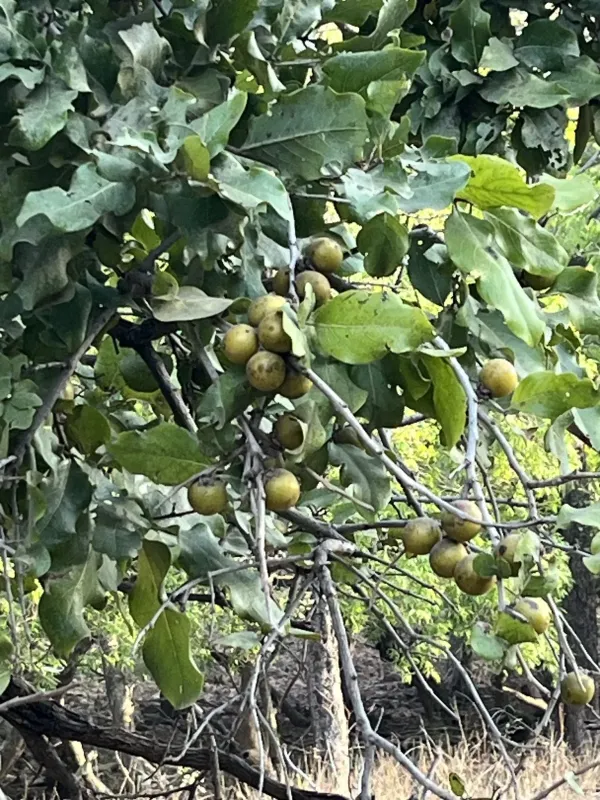
Description
Growing requirements
Coromandel ebony (Diospyros melanoxylon) belongs to the Ebenaceae family and is a deciduous tree native to the tropical forests of India and Sri Lanka. This species thrives in hot, humid tropical climates where temperatures remain consistently high throughout the year.
The cultivation of this tree requires deep, well-drained soils rich in organic matter. While the species is known for its slow growth rate, this characteristic is essential for the development of its dense, high-quality dark heartwood that is prized worldwide.
In terms of light requirements, mature trees prefer full sun exposure to maintain vigorous growth. However, young seedlings benefit from partial shade during their early stages of development, mimicking the natural understory environment of their native habitats.
The plant demonstrates good resilience to periods of drought, but stable water availability is crucial for optimal development during the growing season. Maintaining proper soil moisture levels prevents premature stress and promotes healthy stem thickening.
Good agricultural practice involves regular weeding around the base and ensuring that the soil structure is not compacted, which allows for optimal root system expansion and improved nutrient uptake from the soil.
Yield
The primary economic value of Diospyros melanoxylon lies in its heartwood, widely known as Coromandel ebony. This timber is exceptionally hard, durable, and dark, making it a preferred material for high-end furniture, fine musical instruments, and decorative carvings.
The leaves of the tree are of significant commercial importance in India, where they are harvested to wrap traditional cigarettes called "bidi." This secondary product provides a sustainable and consistent source of income for local agricultural communities.
The fruits of the tree are edible and possess nutritional value. While they are not major international commodities, they are an important part of the local food supply and contribute to the overall biological diversity within the plantation area.
Yield management for timber production is a long-term endeavor, as high-quality black heartwood usually begins to form only in trees that are several decades old. Careful selection and thinning of stands ensure long-term productivity.
Effective management strategies balance the dual use of the tree for leaf harvesting and timber production. This integrated approach maximizes the economic output per unit area while promoting the sustainable life cycle of the plantation.
Main diseases and pests
Fungal pathogens represent the most significant threat to the health of Diospyros melanoxylon, particularly in conditions of poor air circulation and excessive humidity. Foliar diseases can severely inhibit the growth of young saplings.
Various insect pests, including wood-boring beetles, can cause structural damage to the stems and branches. Regular monitoring is essential to prevent significant infestations that could jeopardize the quality of the valuable heartwood.
Root system health is frequently compromised by waterlogging, which often leads to root rot diseases. Site selection must prioritize locations with excellent natural drainage to avoid these detrimental impacts on tree vigor.
Soil-borne nematodes can hinder nutrient uptake and weaken the tree. Utilizing clean, disease-free planting material and implementing periodic soil health assessments are vital for maintaining productive plantation stands.
- Implementation of regular phytosanitary monitoring.
- Maintaining optimal soil drainage conditions.
- Utilization of integrated pest management (IPM) practices.