
Diospyros cauliflora
Diospyros cauliflora
Description
Growing requirements
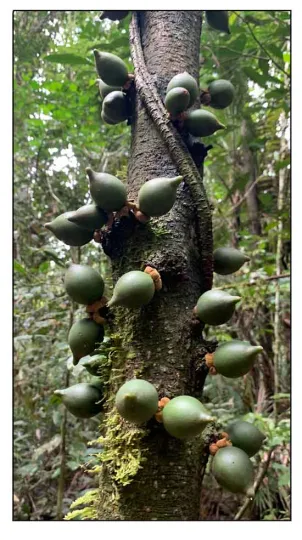
Diospyros cauliflora belongs to the Ebenaceae family, renowned for its characteristic cauliflory, where flowers and fruits emerge directly from the trunk and major branches. This biological trait is highly adapted to rainforest understories where it thrives.
The plant requires deep, fertile, and well-drained soils rich in organic matter to support its physiological needs. Poorly drained soil, especially in clay-heavy areas, often leads to root respiration issues and subsequent plant decline.
Cultivation should ideally be limited to tropical regions with high annual rainfall and consistent temperatures. The species does not tolerate frost and exhibits significant growth inhibition if exposed to prolonged cold or arid conditions.
Optimal agro-technique involves consistent moisture management, ensuring the soil remains damp but never waterlogged. Regular application of mulch is recommended to maintain stable soil temperature and moisture levels, mimicking the natural forest floor environment.
Given its structure, proper management of the trunk area is essential. Avoid mechanical stress on the bark, as the production of fruit occurs directly on these surfaces, making the tree vulnerable to physical damage during cultural operations.
Main diseases and pests
Fungal pathogens represent the primary threat to Diospyros cauliflora, particularly those affecting the foliage and trunk bark under high-humidity conditions. Preventing moisture retention on the trunk surface is crucial.
Pests such as scale insects and mealybugs frequently colonize the crevices of the bark, where the fruit clusters grow. Their activity can weaken the tree and provide entry points for secondary infections.
Leaf spot diseases are common during the wet season. Improving air circulation throughout the tree architecture is the most effective cultural method to mitigate the risk of fungal proliferation.
Integrated pest management (IPM) should prioritize the use of biological controls, such as beneficial predators, to keep scale and other insect populations in check without damaging the delicate fruiting zones.
In cases of severe infestation or infection, targeted pruning of affected branches is necessary to restore the tree's health and prevent the spread of disease to the productive trunk area.