
Diospyros confertiflora
Diospyros confertiflora
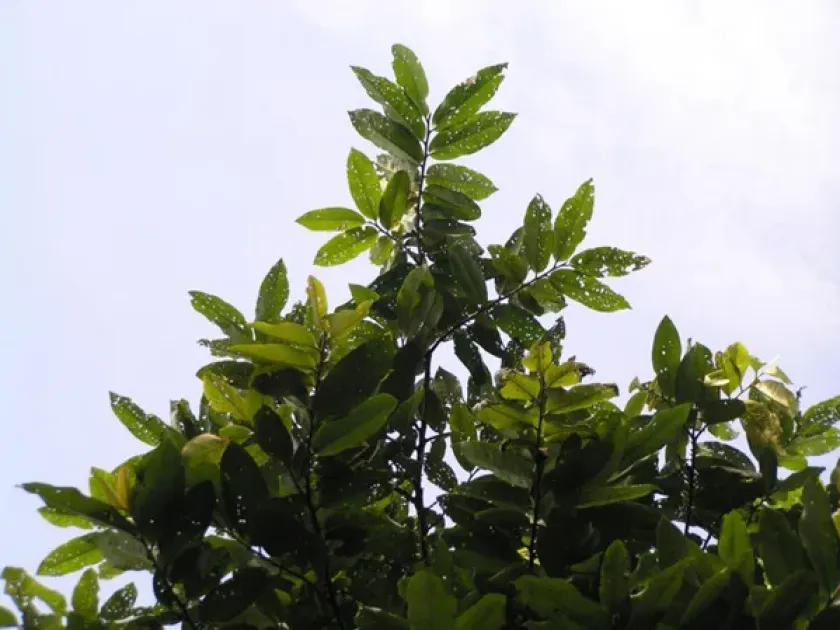
Description
Growing requirements
Diospyros confertiflora is a tropical tree species belonging to the Ebenaceae family. It is naturally adapted to the humid conditions of tropical forests, requiring high ambient temperatures and consistent moisture levels throughout the entire year for optimal physiological growth.
The climate requirements for this species are strict, as it lacks cold hardiness and is highly susceptible to frost damage. Successful cultivation is restricted to tropical regions where the temperature remains within a narrow, warm range, preventing any risk of thermal stress to the foliage and stems.
Regarding soil preferences, the plant thrives in well-drained, fertile substrates that are rich in organic matter. While it appreciates high soil moisture, it is sensitive to waterlogging, which can cause root asphyxiation and subsequently invite soil-borne pathogens that compromise the health of the tree.
Light intensity plays a significant role in the development of the species. Young plants require partial shade to mimic the forest floor environment, whereas mature trees can tolerate higher light levels, provided the soil moisture is sufficient to support transpiration during intense heat.
Agronomic management involves regular application of organic soil amendments to maintain fertility levels. Due to the slow growth habit of many Diospyros species, long-term planning and consistent watering practices are essential to ensure the longevity and productivity of the trees in a plantation setting.
Harvesting
The primary economic use of Diospyros confertiflora includes the harvesting of its fruit and the potential utilization of its timber. The genus is well-regarded for producing dense, durable wood, which is often used in specialized construction or carving due to its inherent resistance to decay.
Fruit harvesting requires careful manual handling to prevent bruising, as the skin and flesh of the fruit are highly susceptible to damage. The timing of the harvest is critical; fruit must be collected when they reach the appropriate stage of maturity to balance flavor and storage life.
Post-harvest logistics involve immediate cooling to extend the shelf life of the produce. Given the climate in which the tree grows, humidity control during storage is just as vital as temperature control to prevent rapid spoilage and the development of post-harvest diseases.
Processing of the fruit often involves traditional preservation methods if fresh consumption is not immediate. The presence of tannins in the fruit may necessitate specific curing or ripening processes to ensure the final product is palatable and of high commercial quality.
Yield management depends on effective pruning and canopy maintenance. Pruning helps to improve air circulation within the tree structure, which reduces the incidence of fungal issues and ensures that nutrients are efficiently directed toward fruit production rather than excessive vegetative growth.