
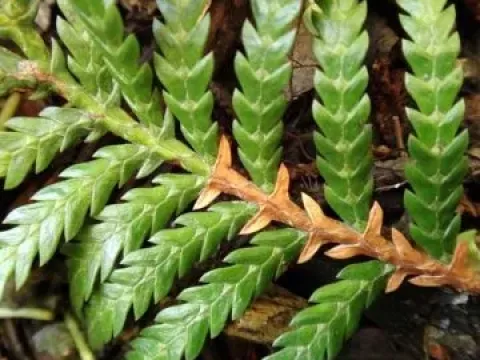
Libocedrus austrocaledonica
Libocedrus austrocaledonica
Libocedrus austrocaledonica is a distinctive conifer species belonging to the Cupressaceae family, endemic to the unique island ecosystems of New Caledonia. It is a slow-growing evergreen tree that requires precise environmental conditions to thrive.
What the section contains
Libocedrus austrocaledonica
The soil requirements are strict: the plant necessitates highly porous, acidic, and well-drained substrate, reflecting the ultramafic soils of its native habitat. Any waterlogging will lead to rapid root decay and death of the plant.
Climate preferences for this species include high atmospheric humidity and mild, stable temperatures. It is not cold-hardy, meaning it must be protected from freezing temperatures at all stages of development to prevent tissue damage.
Lighting is another critical factor; while mature specimens can tolerate filtered sunlight, juvenile plants are sensitive and perform best under dappled shade. Direct, intense sunlight should be avoided to prevent desiccation.
Maintenance involves periodic monitoring of humidity levels. Utilizing mulch around the base (without touching the trunk) helps maintain moisture levels in the root zone while protecting the soil from rapid evaporation.
Root rot caused by Phytophthora species is the most severe threat to Libocedrus austrocaledonica. This pathogen thrives in moist, poorly aerated soils, making soil management the primary defense.
Spider mites are common pests that target the needles, especially in environments with insufficient airflow. Regularly misting the plant and ensuring proper ventilation can significantly reduce infestation risk.
Scale insects can also infest the foliage, sucking nutrients and weakening the overall health of the tree. Manual removal or the application of horticultural oils should be performed at the first sign of these pests.
Excessive fertilizer application is detrimental to the species, leading to salt accumulation in the root zone. Only slow-release, specialized conifer fertilizers should be applied with extreme caution.
Mechanical damage to the bark must be avoided at all costs, as the tree has limited wound-healing capabilities. Any physical injury can provide an entry point for opportunistic pathogens and fungal infections.