
Libocedrus chevalieri
Libocedrus chevalieri
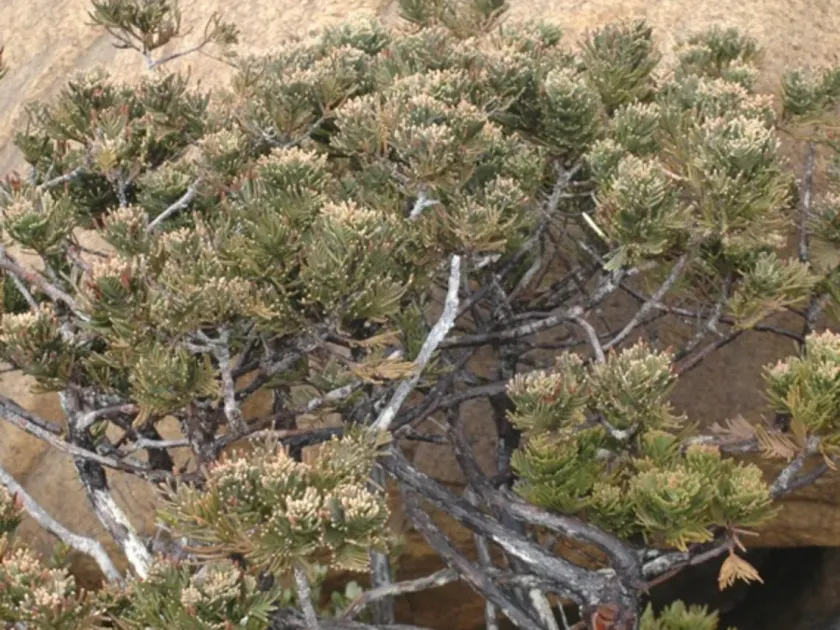
Description
Growing requirements
Libocedrus chevalieri is a distinct evergreen coniferous tree belonging to the Cupressaceae family. It is an endemic species restricted to the high-altitude areas of New Caledonia, where it has evolved in isolated mountain niches.
This species thrives in high-humidity environments characterized by consistent mist and cool temperatures. In cultivation, mimicking these specific conditions is essential for the tree's health and longevity.
The substrate must be extremely well-draining, reflecting the rocky and mineral-rich soils of its native habitat. Using a mix of coarse grit, sand, and pine bark is recommended to provide the necessary aeration for root development.
Light requirements involve bright, filtered exposure. Direct, scorching midday sun can damage the foliage, while deep shade will cause the tree to become etiolated and lose its compact, natural appearance.
Regular but cautious watering is required. It is vital to ensure that the root zone is kept moist but never waterlogged, as the species is highly susceptible to root decay when exposed to stagnant water conditions.
Main diseases and pests
The primary threat to Libocedrus chevalieri in its wild state is habitat loss due to forest fires and shifts in local climate patterns. Its limited range makes it particularly susceptible to localized ecological changes.
In cultivation, fungal pathogens represent a major threat, especially if the air circulation is inadequate. Maintaining a constant flow of fresh air around the foliage helps prevent the development of mold and mildew.
Common indoor pests, including scale insects and spider mites, may attack the tree. These pests can rapidly weaken the specimen, making early detection and intervention with soft insecticides or soap solutions necessary.
Soil-borne pathogens are a constant risk. Utilizing sterile growth media and maintaining high hygiene standards when working with the soil can significantly mitigate the risk of infections.
Finally, the tree's slow growth rate makes it susceptible to over-competition if not kept in a clear, open environment. Monitoring for any encroaching vegetation is essential for its long-term survival.