
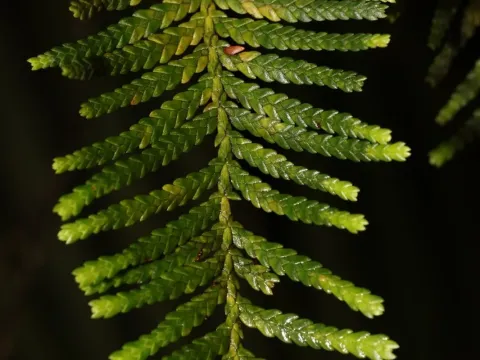
Libocedrus
Libocedrus
Libocedrus belongs to the family Cupressaceae and is a genus of evergreen coniferous trees native to New Zealand, New Caledonia, and parts of South America. These trees are prized for their elegant, flattened foliage and distinct narrow, columnar or pyramidal growth habit in their youth.
What the section contains


Libocedrus
Cultivation of Libocedrus requires specific environmental conditions to ensure healthy growth. The trees prefer well-drained, deep, and slightly acidic or neutral soils that remain moist but never waterlogged. Poor drainage is the most significant limiting factor for successful long-term cultivation.
Climate is a critical factor for this species, as it generally requires a temperate, maritime climate. Exposure to extreme cold, freezing winds, and prolonged droughts can cause significant damage to the needles and young branches, necessitating a sheltered planting site within a garden.
Botanically, the species is defined by its scale-like leaves arranged in opposite pairs on flattened branchlets. As the trees mature, their bark often takes on a reddish-brown color, which adds to their ornamental value, especially when used as a centerpiece in professional landscaping.
The primary use for Libocedrus is decorative. It serves as an excellent specimen plant for parks, arboretums, and larger gardens. Due to its vertical form, it is frequently used to create visual height and structure, providing a year-round green presence in various landscape designs.
The most significant threats to Libocedrus include root pathogens such as Phytophthora, which thrive in stagnant, wet soil conditions. Proper irrigation management and soil aeration are vital strategies to prevent fungal attacks and ensure the tree remains robust against potential infections.
Pest management is equally important, with spider mites and scale insects being the most common challenges. These pests tend to proliferate during warm, dry spells, making regular health inspections and seasonal cleaning of the canopy essential for maintaining the tree's vigor and aesthetic appeal.