
Korean thuja
Thuja koraiensis
Description
Growing requirements
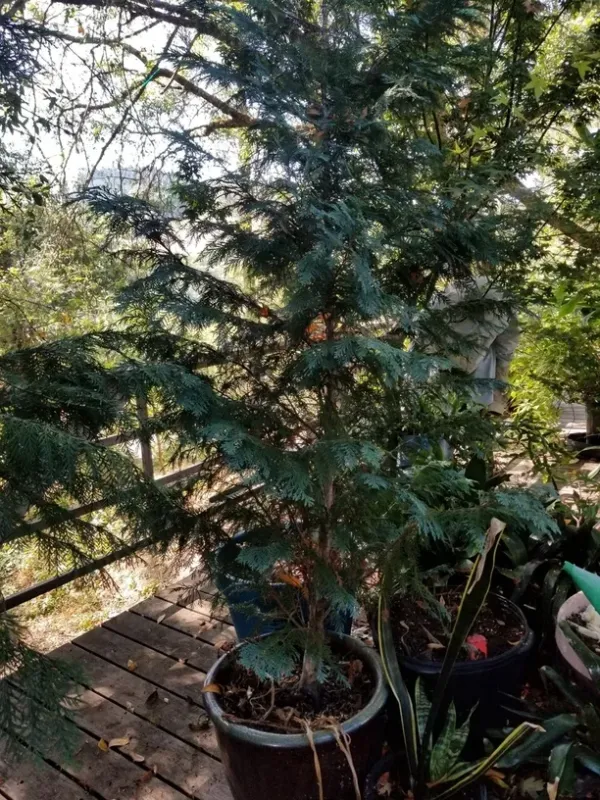
Korean thuja (Thuja koraiensis) is an evergreen coniferous species belonging to the Cupressaceae family. It is recognized for its unique, flattened foliage which features a striking silvery-white underside, providing a distinct color contrast against its deep green upper leaves.
Originating from the mountainous regions of the Korean Peninsula and northeast China, this species has become a valued ornamental plant. Its slow-growing nature makes it an excellent candidate for managed gardens where long-term architectural stability is desired without the need for constant maintenance.
The cultural requirements for Thuja koraiensis include well-drained, fertile soil with moderate moisture retention. While the plant can adapt to various light conditions, it performs best in locations that receive partial shade, which protects the foliage from being scorched during intense mid-day sun.
In terms of climate, Korean thuja is hardy, though it benefits significantly from shelter against harsh, drying winds. During the first few years after planting, the root system requires consistent moisture and protection from deep frost, often achieved by applying a thick layer of organic mulch around the base.
Agricultural use for this species is primarily focused on the nursery sector for high-end landscape architecture. It is widely employed in rock gardens, conifer collections, and as a specimen plant, where its distinct texture and coloration can be highlighted against more uniform vegetation.
Main diseases and pests
Pathogenic threats for Korean thuja often involve fungal issues, specifically needle blight and root rot, which are exacerbated by poor air circulation and waterlogged soil. Maintaining proper spacing and ensuring adequate soil drainage are essential preventative strategies for managing these plant health risks.
Insect pests, including scale insects and spider mites, are common challenges that growers must mitigate. Regular inspections, especially during hot and dry spells, allow for timely intervention with appropriate horticultural oils or insecticides, ensuring the tree maintains its aesthetic value and physiological health.