


Reference · Crops
Thuja
Thuja L.
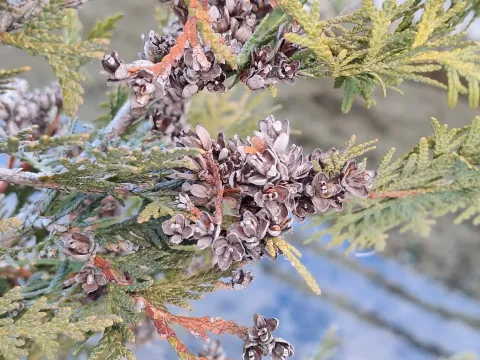
Thuja (Thuja L.) is a genus of coniferous evergreen trees in the Cupressaceae family. Native to North America and Eastern Asia, these plants are widely cultivated across the globe as ornamental species for landscapes and residential gardens.
4
items
What the section contains
Marketplace
Products in this section · 1
Thuja
Successful cultivation requires well-drained, nutrient-rich soil that retains some moisture. While Thuja is relatively adaptable, it thrives best in slightly acidic to neutral soils and performs poorly in extremely dry or waterlogged conditions.
Regarding light, Thuja generally prefers full sun to partial shade. Younger plants may require some protection from harsh midday sun to prevent needle browning, while established plants are quite hardy and tolerant of varying light levels.
Key maintenance tasks include consistent watering, particularly during the first two years after transplanting, and periodic pruning to maintain shape. Applying a layer of organic mulch helps regulate soil temperature and moisture levels around the roots.
Thuja is predominantly used for privacy hedges, windbreaks, and formal garden displays. Its durable, rot-resistant wood has historically been utilized in carpentry, although its primary modern purpose remains ornamental and landscaping.
Fungal diseases are the primary concern for Thuja, with Kabatina tip blight and Didymascella needle blight being the most destructive. These pathogens cause needles to turn brown or black, requiring prompt pruning and fungicide treatment.
Pests like spider mites, bagworms, and scale insects often target Thuja hedges. Infestations are typically identified by web spinning, localized needle yellowing, or the presence of small protective casings on the branches.
Integrated pest management involves regular monitoring of the foliage and canopy density. If pest populations exceed threshold levels, applications of horticultural oils or systemic insecticides are highly recommended.
Proper spacing is crucial for disease prevention; providing sufficient airflow between trees reduces humidity buildup, which is the main catalyst for fungal development within the dense canopy.
Sanitation practices, such as removing fallen needles and infected branches, are essential to stop the cycle of reinfection and ensure the long-term health of the plantation.