
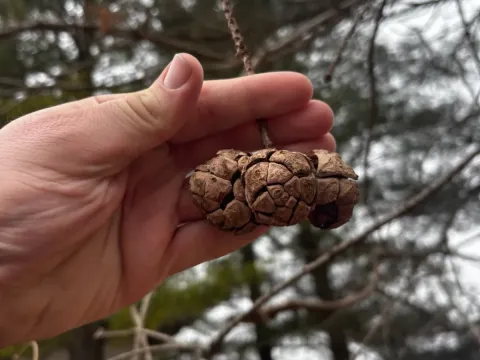
Taxodium
Taxodium
Propagation of Taxodium on a commercial scale is primarily achieved through seeds. Seeds require a mandatory stratification period of one to three months at low temperatures to break dormancy and ensure high germination rates.
What the section contains


Taxodium
The optimal time for sowing is mid-spring, once the soil has warmed to at least 10–12 degrees Celsius. Seeds should be planted in a nutrient-rich, moisture-retentive substrate to support initial root development.
Soaking seeds in warm water for several days before sowing is a recommended practice to soften the seed coat and boost the percentage of successful sprouts.
Vegetative propagation via cuttings is also used in nurseries, though it requires precise humidity control and the application of rooting hormones to succeed. This method ensures that the offspring remain genetically identical to the parent tree.
Transplanting seedlings to their final location is best carried out at 2–3 years of age. During the first few years, it is critical to protect young saplings from harsh winter frosts and strong drying winds.
Taxodium belongs to the Cupressaceae family and is a remarkable culture known for its adaptation to waterlogged soils. Its natural range includes the floodplains and swamps of the southeastern United States.
The plant thrives in alluvial soils rich in organic matter. Despite its preference for high moisture, Taxodium displays excellent adaptability and can withstand short-term drought conditions if deep groundwater is accessible.
A warm climate with a long growing season is essential for the healthy development of this species. Young trees are particularly sensitive to late spring frosts, necessitating the careful selection of planting sites that avoid cold-air pockets.
A distinctive botanical feature of this genus is the formation of pneumatophores, or "knees." These structures extend from the root system, allowing the tree to facilitate gas exchange in anaerobic, flooded soil conditions.
Taxodium exhibits high tolerance to air pollution, which makes it a valuable species for urban landscaping and green infrastructure in cities, provided there is enough space for its significant size.
The primary economic use of Taxodium is timber production. Its wood is highly valued for its exceptional resistance to rot and decay, making it an ideal material for marine construction and exterior structures.
Growth rates depend heavily on site conditions and soil fertility. In ideal environments, Taxodium grows vigorously, accumulating a substantial volume of high-quality wood over the course of its life cycle.
The aesthetic appeal of Taxodium is also significant, driving its demand in parkland development and decorative gardening. Large, mature specimens are highly prized as landscape centerpieces.
Wood from this species is traditionally used for boat building, shingles, and furniture. This makes it a sound long-term investment for forestry operations focused on durable hardwood-like timber.
Regular thinning of stands is a recommended management practice to ensure optimal growth of the remaining trees, leading to a faster attainment of desired lumber dimensions and higher economic returns.
Taxodium is generally robust, but it can be susceptible to fungal diseases when grown in poor conditions. Issues often arise in overly dense plantations where airflow is restricted, leading to high humidity within the canopy.
Common pests include defoliating insects and certain species of mites that may feed on young foliage. Integrated pest management, including regular monitoring and timely application of controls, helps mitigate damage.
It is important to avoid mechanical damage to the bark during maintenance, as open wounds provide an entry point for wood-rotting pathogens. Healthy trees are usually well-equipped to defend against these infections.
Soil imbalances, such as extreme pH levels or excessive salinity, can compromise the tree's immune system, making it vulnerable to root rot. Maintaining a balanced nutrient profile is essential for plantation health.
Sanitation practices, such as removing fallen needles and debris from the base of the trees, are effective in preventing the buildup of fungal spores. Proactive care ensures the longevity and productivity of the stand.