
Tetraclinis
Tetraclinis
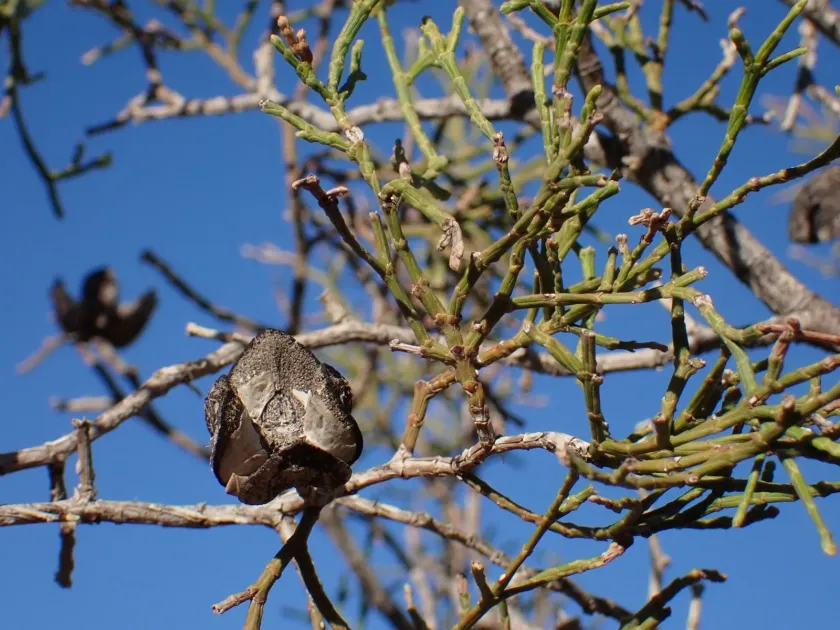
Description
Growing requirements
Tetraclinis, scientifically known as Tetraclinis articulata, is an evergreen conifer belonging to the Cupressaceae family. It is native to the western Mediterranean region, specifically found in Morocco, Tunisia, Malta, and parts of Spain, where it thrives in arid conditions.
This species is highly adapted to a Mediterranean climate, requiring plenty of sunlight and well-draining soil to flourish. It is remarkably drought-tolerant, which makes it an excellent candidate for regions with scarce rainfall and poor, rocky soil compositions.
Temperature tolerance is a key consideration for growers; the plant prefers mild winters and is sensitive to heavy frost. When cultivated in cooler zones, it should be kept in pots or greenhouses to protect it from extreme cold and humidity.
Botanically, the tree is recognizable by its flattened, scale-like leaves and slow growth habit. Its wood is highly valued, particularly the burls found in the root system, which are used to craft decorative items and high-end furniture.
From an agricultural standpoint, the tree is economically significant for the production of sandarac, a natural resin derived from the bark. This resin is historically used in varnishes, incense, and various industrial applications.
Main diseases and pests
Wildfires remain the most significant threat to native populations of Tetraclinis due to the high resin content in the wood, which is highly flammable. Proper forest management and spacing are essential to prevent the spread of fires in plantation areas.
Pests such as bark beetles and aphids can weaken the trees, especially if the plants are stressed by drought or improper environmental conditions. Regular monitoring for signs of infestation is crucial for maintaining the health of the trees.
Root rot, caused by excessive soil moisture and poor drainage, is a common problem in domestic cultivation. It is recommended to allow the soil to dry out significantly between watering intervals to mimic the plant's natural habitat.
Fungal infections of the foliage can occur if the plant is kept in areas with stagnant air and high humidity. Improving ventilation and spacing between trees helps reduce the risk of disease transmission significantly.
To ensure long-term health, growers should avoid over-fertilization, as the species is adapted to nutrient-poor soils. Maintaining a balanced, slightly alkaline substrate is generally preferred for healthy development.