
Tibetan juniper
Juniperus tibetica
Description
Growing requirements
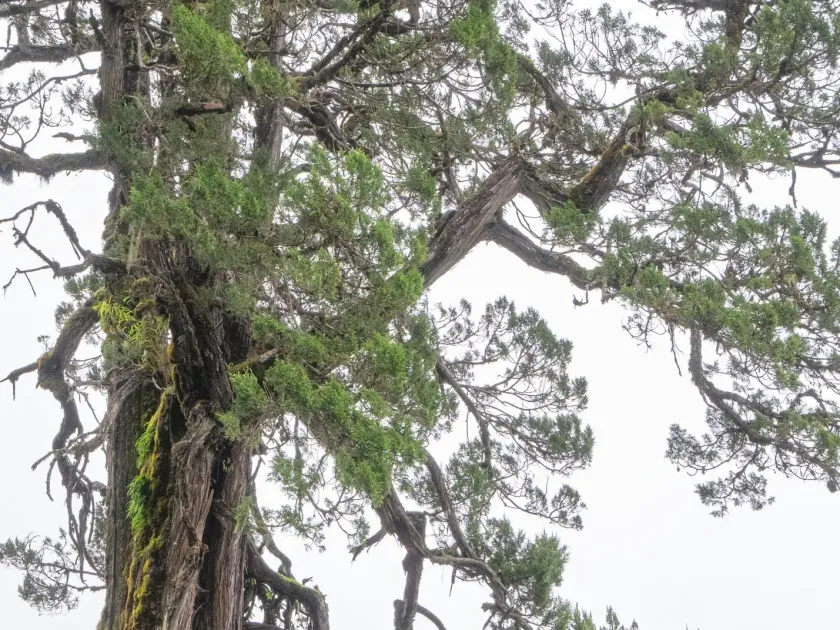
Tibetan juniper (Juniperus tibetica) is a perennial coniferous tree belonging to the Cupressaceae family. Native to the high-altitude regions of the Tibetan Plateau, it thrives in environments that are typically hostile to other woody plants, demonstrating extreme hardiness and resilience.
The botanical profile of this species includes scale-like, dense foliage and dark, berry-like cones. It is characterized by a very slow growth rate, allowing it to develop dense, durable wood that is highly valued. The root system is extensive, adapted to draw nutrients from rocky, nutrient-poor substrates at high elevations.
Agricultural success with this species depends heavily on site selection. It requires excellent soil drainage, as the roots are highly susceptible to rot if exposed to standing water. A neutral to slightly alkaline soil profile is ideal for maintaining the health and vigor of the tree.
Climatically, it is well-suited for regions with cold, dry winters and significant diurnal temperature variations. Full sun exposure is essential for the tree's development, as any shading leads to sparse foliage and increased susceptibility to opportunistic infections or pests.
In terms of economic application, Tibetan juniper is utilized for reforestation in mountainous terrains to prevent erosion. Additionally, its aromatic oils and durable wood are utilized in traditional industries, while in modern horticulture, it is prized as a hardy, low-maintenance evergreen for ornamental landscaping.
Main diseases and pests
The primary threats to Juniperus tibetica health are related to fungal diseases such as rust or blight, often triggered by excessive ambient humidity or poor air circulation within the canopy. These pathogens can cause significant dieback if left unmanaged.
Common pests affecting this species include scale insects and various species of juniper aphids. These pests weaken the plant by sucking sap from young, developing twigs, leading to yellowing, distortion, and reduced overall growth performance.
Effective management strategies include regular canopy inspection and the removal of deadwood, which often serves as a reservoir for fungal spores. Chemical control, when necessary, should involve specific fungicides applied during early stages of infection.
Maintaining proper spacing in nurseries or plantations is crucial for ensuring adequate airflow, which prevents the establishment of damp microclimates favorable to pests. This simple cultural practice is one of the most effective ways to reduce the need for chemical intervention.
Soil health and nutrition play a key role in natural immunity. Balanced fertilization, avoiding excessive nitrogen, helps the plant maintain a strong structure and improves its ability to defend against environmental stressors and potential pest attacks.