
Stereospermum
Stereospermum Cham.
Stereospermum is a genus of tropical trees belonging to the Bignoniaceae family. These plants are native to tropical and subtropical regions of Africa and Asia, where they thrive in diverse forest habitats ranging from evergreen to deciduous woodlands.
What the section contains

Stereospermum
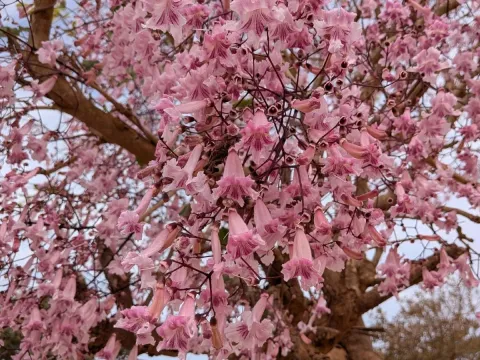
The botanical structure of the genus is marked by compound, pinnate leaves and large, fragrant tubular flowers. These blossoms typically grow in panicles and are followed by long, slender seed capsules that contain winged seeds adapted for wind dispersal.
Environmental requirements for these trees include consistent tropical temperatures and high humidity levels. They prefer well-drained, nutrient-rich soils and are intolerant to frost, which limits their cultivation to specific geographical belts with stable year-round warmth.
Agrotechnical management involves careful site selection to ensure appropriate soil depth and moisture retention. Propagation is primarily achieved through seeds, requiring attention to soil temperature and protection from extreme wind and water stress during the early establishment phase.
The economic importance of Stereospermum is largely derived from its high-quality timber, which is valued for durability and aesthetics in cabinetry and construction. Furthermore, certain species possess medicinal properties, with bark and leaf extracts being traditionally utilized for their bioactive compounds.