
Sparattosperma leucanthum
Sparattosperma leucanthum
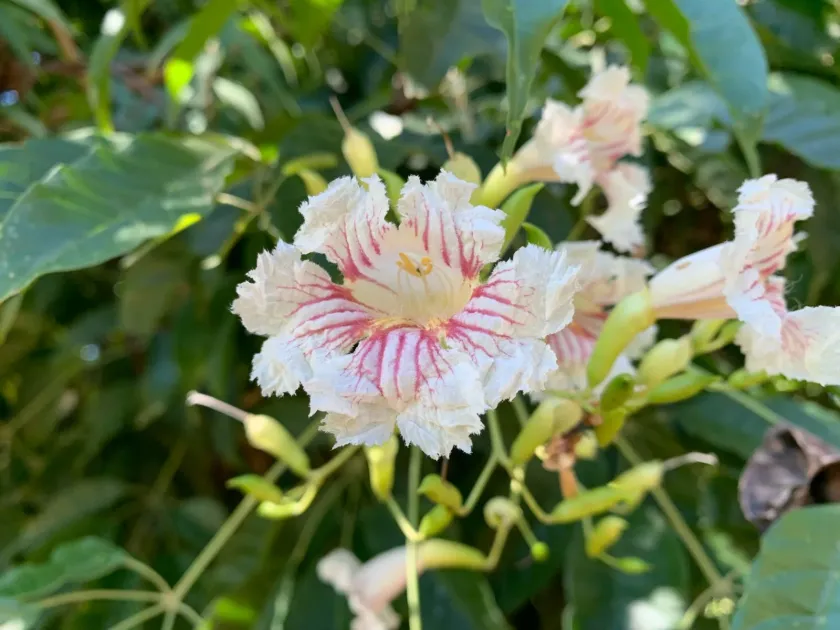
Description
Growing requirements
Sparattosperma leucanthum is a prominent tree species belonging to the Bignoniaceae family. It is native to the tropical regions of South America, primarily flourishing within the diverse landscapes of Brazil, including forest edges and savannah-like regions.
The tree requires well-drained, nutrient-rich soils to reach its full growth potential. It thrives in tropical climates characterized by high annual precipitation and consistent warmth, making it highly sensitive to sub-zero temperatures which can cause significant physiological damage to young specimens.
Botanically, this species is defined by its robust woody structure and complex foliage that provides efficient canopy cover. The trees exhibit a distinct life cycle, with specific flowering periods that are essential for the pollination strategies employed by native fauna in its natural habitat.
In terms of economic utility, Sparattosperma leucanthum is valued for its high-quality timber. The wood is widely utilized in regional woodcraft and construction industries, appreciated for its density, aesthetic appeal, and structural reliability in various architectural applications.
Beyond its economic value, the tree acts as a vital component in reforestation initiatives. By stabilizing soil and providing habitat for local wildlife, it contributes to the overall health and restoration of tropical ecosystems that have been impacted by anthropogenic land-use changes.