
Rhigozum
Rhigozum
Rhigozum is a genus of xerophytic shrubs belonging to the Bignoniaceae family. Native to the arid regions of Southern Africa, these plants are perfectly adapted to environments with limited rainfall and intense heat. They have developed specific survival mechanisms that allow them to thrive in harsh, desert landscapes.
What the section contains


Rhigozum
The ecological range of the plant is strictly defined by its preference for well-drained, sandy, or rocky soils. Rhigozum cannot tolerate waterlogged conditions, which can quickly lead to root rot. High exposure to sunlight is an essential requirement for the plant’s health, as it relies on intense light for photosynthesis during the short periods of moisture availability.
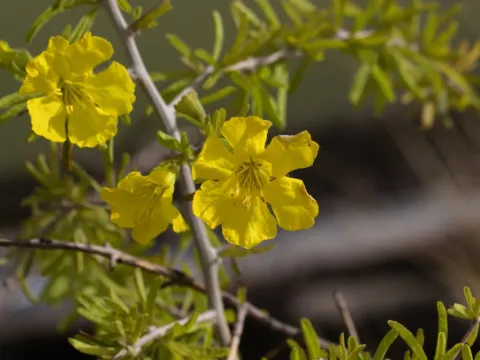
Botanically, Rhigozum species are characterized by their stiff, often spinescent branches. These physical attributes significantly reduce transpiration and protect the plant from grazing animals. The foliage is typically sparse and drought-deciduous, while the flowers are often large and showy, serving as a vital food source for local pollinators in the desert biome.
From an agricultural standpoint, Rhigozum is primarily valued for its role in land restoration and erosion control. In arid farming systems, it is sometimes utilized to stabilize sandy soils and create natural windbreaks. Because it is highly drought-tolerant, it requires minimal human intervention, making it an ideal candidate for low-input landscaping projects.
Its хозяйственное use remains largely focused on ecological preservation and environmental management in regions threatened by desertification. While not a commercial food crop, its biological resilience makes it a subject of interest for climate-resilient agricultural strategies. Future research may reveal further utility in pharmaceutical and industrial applications.