
Rhigozum brevispinosum
Rhigozum brevispinosum
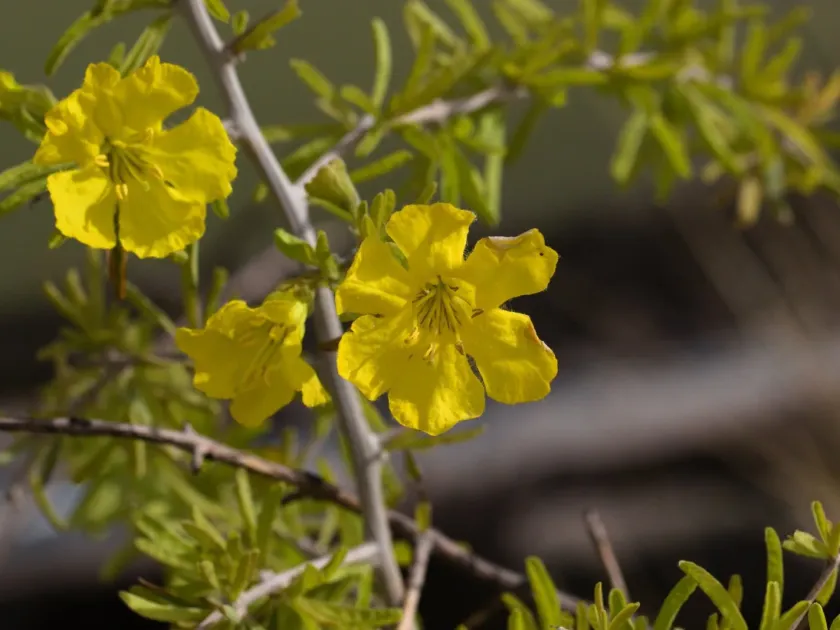
Description
Growing requirements
Rhigozum brevispinosum is a resilient shrub species belonging to the Bignoniaceae family. It is native to the arid and semi-arid regions of Southern Africa, including parts of Namibia and the Northern Cape of South Africa, where it thrives in harsh, low-rainfall environments.
The plant is characterized by its short, thorny branches and its deciduous nature. It sheds its leaves during prolonged dry spells to reduce water loss, only to resprout rapidly following intermittent rainfall, demonstrating a highly efficient survival strategy for desert ecosystems.
Regarding soil requirements, it prefers well-drained, sandy or gravelly soils. In a managed environment, preventing waterlogging is crucial, as the plant is highly susceptible to root damage when moisture levels remain excessively high for extended periods.
Its climatic requirements include full sunlight and a tolerance for extreme temperature fluctuations. It acts as an important component of the desert vegetation, providing structural stability to the soil and shade for smaller organisms in its immediate vicinity.
Economically, Rhigozum brevispinosum is utilized in rangeland management as a drought-resistant forage source. Its ability to remain productive under extreme water scarcity makes it a subject of interest for researchers focused on combating desertification and restoring degraded arid lands.
Main diseases and pests
The primary threat to Rhigozum brevispinosum populations is overgrazing by livestock, which prevents the establishment of seedlings and disrupts natural regeneration cycles. Heavy grazing pressure can lead to the fragmentation of its habitat and loss of local biodiversity.
Pathogenic threats are relatively low due to the arid environment. However, under conditions of excessive moisture and poor drainage, root rot can develop. This condition is usually an indicator of poor site selection rather than widespread susceptibility to soil-borne pathogens.
Insect pests are generally limited to specific herbivores that have evolved to consume the foliage. While these insects can cause localized leaf damage, they rarely pose a threat to the overall survival of the plant, thanks to its robust biological defenses.
Management of these threats is primarily achieved through sustainable land use practices. By limiting grazing intensity in vulnerable areas, land managers can ensure the long-term viability of these shrubs and maintain their ecosystem functions.
No large-scale chemical intervention is recommended for this species. Instead, focusing on the preservation of its natural habitat and ensuring the hydrological balance of the soil remains the most effective way to protect this valuable desert shrub.