
Roseodendron
Roseodendron
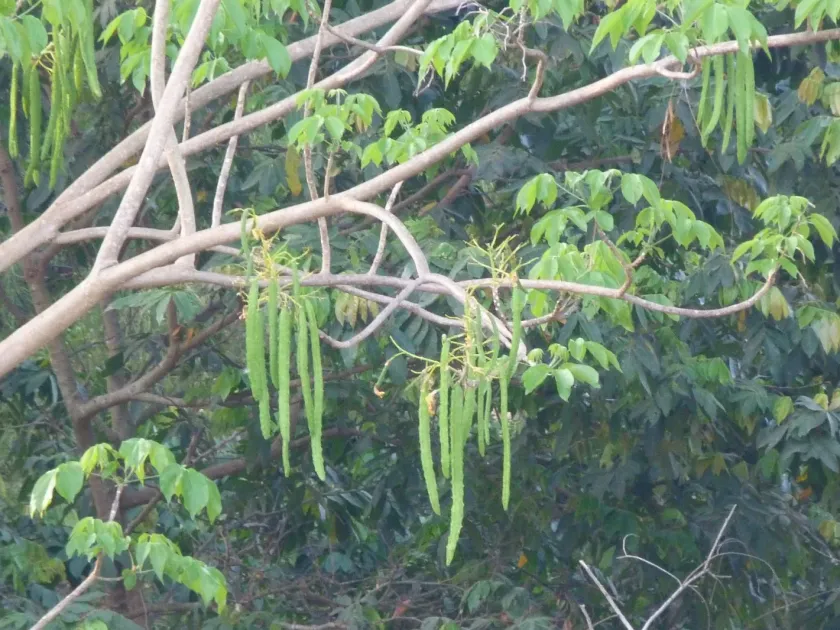
Description
Sowing dates
Propagation of Roseodendron is primarily conducted through seeds within controlled nursery environments. The sowing process requires warm temperatures to ensure a high germination rate, mimicking the natural start of the tropical rainy season.
The seeds should be sown in a sterile, well-draining medium, covered lightly to maintain adequate moisture levels without inducing rot. Germination typically occurs within a few weeks under stable conditions of 25-28 degrees Celsius.
Once seedlings develop their first true leaves, they are transferred to individual pots to reduce competition for nutrients. This stage is crucial for establishing a robust root system before the young trees are acclimated to outdoor conditions.
Consistency in hydration is vital during the early growth phase; the soil should remain moist but never waterlogged. Monitoring the development of the root system helps in determining the right time for final transplanting.
Gradual hardening off is recommended before moving the plants to their permanent location, allowing them to adjust to natural sunlight and the ambient environment of the site.
Growing requirements
As a member of the Bignoniaceae family, Roseodendron requires a warm, tropical, or subtropical climate to thrive. It is highly sensitive to frost and must be protected from cold air currents throughout the year.
The ideal soil profile for this species is deep, fertile, and well-drained. Avoiding heavy, clay-based soils that retain water is essential to prevent the development of root-related issues that can severely hinder the tree's growth.
Solar exposure is a critical requirement, as Roseodendron is a sun-loving plant. Providing maximum direct sunlight ensures optimal photosynthesis, which supports the dense foliage and prolific flowering cycles of the tree.
Irrigation management should be adjusted based on seasonal variations, with a focus on deep watering during active growth and slightly drier conditions during the dormant period. This helps the plant transition between cycles efficiently.
Regular fertilization with balanced nutrients, particularly focusing on phosphorus and potassium, encourages healthy flowering. Incorporating organic mulch around the base also helps regulate soil temperature and retain moisture.
Main diseases and pests
Common pests affecting Roseodendron include scale insects and spider mites, which thrive in dry environments. These pests can significantly weaken the plant if left unchecked by damaging foliage and sapping vital energy.
Fungal pathogens represent a major threat, often triggered by poor drainage or high humidity levels that do not allow the foliage to dry sufficiently. Root rot is a common symptom of overwatering or stagnant soil conditions.
Larval stages of certain insects may cause localized damage to the leaves or growing tips. Integrated pest management, involving regular inspection and mechanical removal of pests, is usually preferred over heavy chemical usage.
Sanitation practices, including the removal of dead or diseased branches, help reduce the incidence of infection. Keeping the area under the tree clear of debris prevents the buildup of potential disease spores.
Monitoring the plant health periodically allows for early intervention, ensuring that any localized issue does not spread to the entire plantation or collection of trees.