
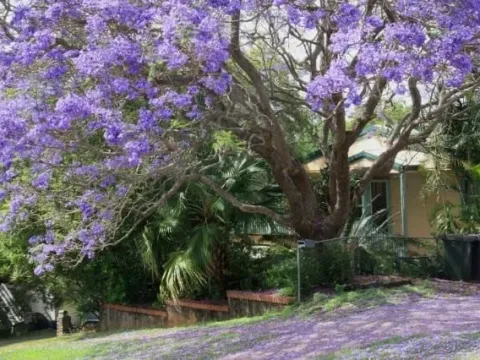
Blue Jacaranda
Jacaranda caerulea
Propagation of the Blue Jacaranda is primarily achieved through seeds or semi-hardwood cuttings. Seeds should be sown in a well-draining, sterile substrate rich in peat, maintaining a constant temperature of approximately +22°C for optimal germination.
What the section contains
Blue Jacaranda
Before sowing, soaking the seeds in warm water for 24 hours significantly improves the germination rate. It is essential to cover the seed trays with plastic to maintain high humidity levels during the initial growth phase, ensuring the seedlings remain moist but not waterlogged.
Pricking out the seedlings occurs once the second pair of true leaves has developed. At this stage, young plants require careful handling as the root system is delicate and prone to damage during transplantation into individual pots.
Cuttings should be taken from semi-mature wood during the late summer months. Using rooting hormones and a propagation chamber with bottom heat can greatly increase the success rate of producing new, genetically identical plants.
When transitioning plants to outdoor locations, a gradual hardening-off process is mandatory. Blue Jacaranda is extremely sensitive to sudden environmental changes, so moving it from a nursery to a permanent landscape site should be done carefully over several weeks.
Blue Jacaranda belongs to the Bignoniaceae family and is recognized for its stunning floral displays. It thrives in full sun exposure, which is necessary to encourage healthy branch development and prolific blooming during the growing season.
The ideal soil for this species is a deep, fertile, and well-drained loam with a slightly acidic to neutral pH. Proper drainage is the most critical factor, as stagnant water is a primary cause of root failure in this tropical ornamental tree.
Climate requirements involve frost-free conditions, as the species is highly susceptible to freezing temperatures. In regions where winter temperatures drop below freezing, the plant must be kept in a greenhouse or conservatory where temperatures remain above +10°C.
Watering needs vary throughout the year; during the summer growth phase, the soil should be kept consistently moist. During the dormant winter period, the plant requires significantly less water to prevent moisture accumulation and potential fungal infections.
Regular fertilization with balanced nutrients, particularly those containing trace elements, supports vigorous growth. Applying a water-soluble fertilizer every two weeks during the peak growing season ensures the foliage remains healthy and vibrant.
The most common pests affecting Blue Jacaranda are aphids, mealybugs, and spider mites. These pests typically cluster on the undersides of leaves and on soft new shoots, causing stunted growth and a general decline in plant vigor.
Root rot, often caused by overwatering or poor drainage, is a significant threat to the tree's health. Early symptoms include leaf yellowing and shedding, requiring immediate adjustment of the watering schedule and improvement of the soil drainage.
Fungal leaf spots can occur in environments with high humidity and poor airflow. Managing these issues involves removing infected leaves and applying copper-based fungicides to prevent further spread throughout the tree's canopy.
Regular monitoring is the best defense against infestations. Inspecting the foliage and stems weekly allows for early detection of pest activity, enabling manual removal or the application of organic insecticidal soaps before a full infestation occurs.
Proper sanitation, including the prompt removal of fallen debris and dead branches, helps minimize the risk of pest and disease outbreaks. Maintaining a clean growing environment is fundamental to the longevity of the Blue Jacaranda.