
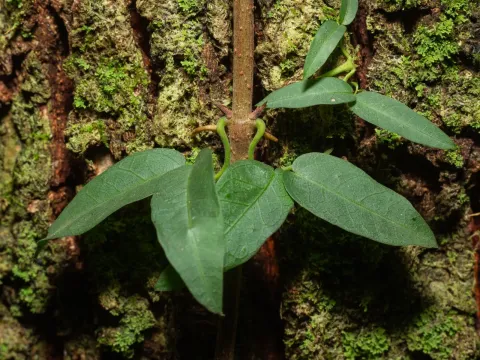
Bignonia exoleta
Bignonia exoleta
Bignonia exoleta is a vigorous climbing vine belonging to the Bignoniaceae family. Known for its climbing habits and attractive foliage, it serves as a prominent ornamental species in tropical and subtropical landscapes.
What the section contains
Bignonia exoleta
Originating from South America, this plant is naturally adapted to warm climates. It thrives in regions where frost is absent, making it an excellent choice for vertical gardening in tropical zones.
The plant requires fertile, well-draining soil to perform at its best. Clay-loam or sandy substrates, enriched with organic matter, are ideal for ensuring healthy root development and structural support.
Light intensity is a critical factor for Bignonia exoleta. To ensure prolific blooming, it should be placed in a location receiving full sun for at least six to eight hours per day.
Cultural maintenance involves providing sturdy vertical support, such as trellises or fences. Pruning is necessary after the flowering phase to manage growth, remove dead wood, and encourage denser branching for the following season.
Common pests include scale insects and mealybugs, which are particularly troublesome in glasshouse or indoor environments where air circulation may be limited.
Spider mites can become a significant issue during hot and dry conditions, leading to leaf discoloration and a general decline in plant vigor if not treated early.
Root rot caused by Phytophthora or Pythium species is a major threat if the plant is grown in waterlogged or heavy, poorly draining soils that do not allow for root aeration.
Powdery mildew may occur if the plant is subjected to high humidity with poor airflow, manifesting as a white, dusty coating on the surface of the leaves.
Aphids often colonize soft, young stem tips, stunting new growth. Integrated pest management, including regular inspection and horticultural soap applications, is recommended for effective control.