
Bignonia callistegioides
Bignonia callistegioides
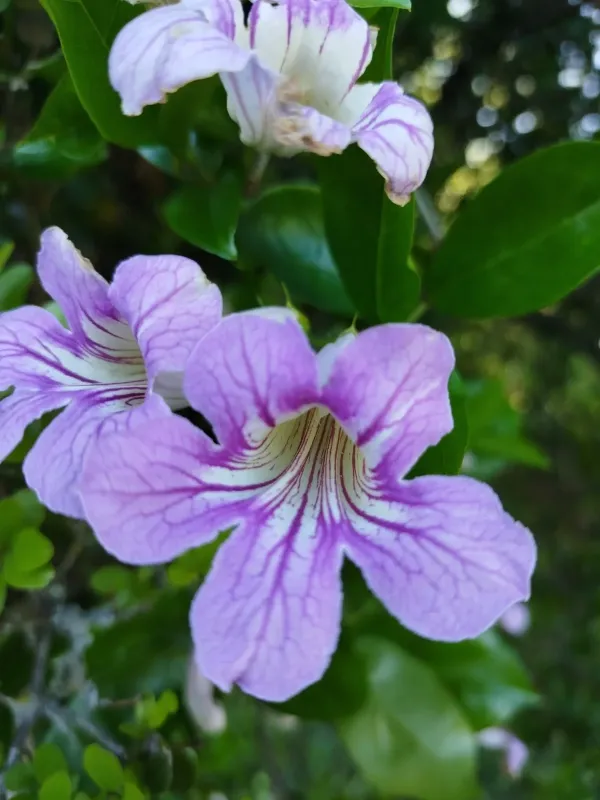
Description
Growing requirements
Bignonia callistegioides is a woody climbing vine that belongs to the Bignoniaceae family. Known for its vigorous growth, it uses tendrils to attach to vertical surfaces, making it a popular ornamental choice for fences and trellises.
The plant originates from South American regions, specifically parts of Brazil and Argentina. It thrives in warm, temperate to tropical climates, requiring significant warmth to produce its characteristic floral displays.
Regarding cultivation requirements, it prefers a site with bright, filtered light. While it tolerates full sun in moderate climates, it benefits from partial shade during the hottest afternoon hours in tropical zones to prevent leaf scorching.
Soil quality is paramount for this species. It demands fertile, well-draining soil that is slightly acidic. A loam-based potting mix amended with organic compost is ideal for container-grown specimens.
Agricultural management involves regular watering during the active growing season. Additionally, balanced nitrogen-phosphorus-potassium fertilizers should be applied monthly to support the intensive biomass production of the vine.
Main diseases and pests
Pest pressure is primarily driven by sap-sucking insects such as aphids and spider mites. These pests thrive in dry environments and can quickly weaken the plant by draining its nutrient resources.
Fungal pathogens, particularly those causing leaf spot or root rot, are common if the root zone is chronically waterlogged. Ensuring proper drainage is the most effective preventative measure against soil-borne diseases.
Whiteflies can also be a challenge, especially in greenhouse conditions. Managing plant density and ensuring good airflow help to reduce the risk of massive infestations.
Control strategies involve a combination of horticultural hygiene and chemical intervention. Insecticidal soaps or neem oil are often sufficient for mild pest outbreaks without damaging the plant tissue.
Key management steps include:
- Pruning the vine regularly to maintain vigor and remove diseased tissue.
- Checking leaves frequently for early signs of chlorosis or pest colonization.
- Using clean, sterile equipment to prune branches and prevent pathogen spread.