
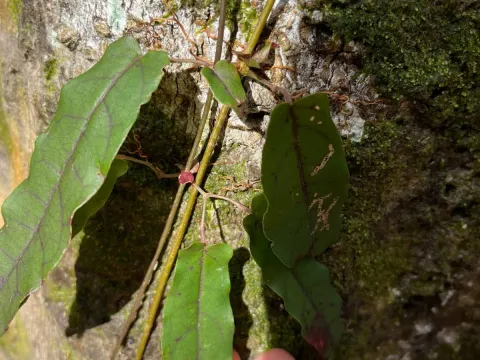
Bignonia
Bignonia L.
Propagation of Bignonia is typically carried out via seeds sown in early spring or through semi-hardwood cuttings. Seeds should be sown in a well-draining, sterile potting mix at a depth of about 0.5 centimeters to ensure uniform germination.
What the section contains

Bignonia
For best results, keep the germination container in a warm environment, ideally between 20 and 25 degrees Celsius. Constant humidity is vital during the initial growth phase, so covering the container with plastic wrap is recommended.
Cuttings should be taken during the active growth season, preferably in late spring or early summer. Using a rooting hormone significantly increases the success rate of establishing new, healthy plants from stem cuttings.
Seedlings need to be transplanted with caution once they reach a height of 10–15 centimeters. Gradually acclimating them to outdoor conditions prevents transplant shock and ensures better survival rates.
Choose a permanent location with adequate space, as Bignonia is a vigorous grower that needs room for both its root system and aerial vines to expand.
Bignonia, representing the Bignoniaceae family, thrives in warm, sunny climates with protection from harsh winds. The plant is prized for its rapid growth and spectacular, trumpet-shaped flowers that bloom in clusters.
The ideal soil for this vine is fertile, humus-rich, and slightly acidic to neutral in pH. A well-draining soil structure is essential to prevent root rot, which is a common issue for this species in heavy clay soils.
Support structures like trellises, fences, or pergolas are necessary to guide the climbing stems. Without proper support, the vines may become tangled on the ground, increasing the risk of disease.
Regular irrigation is required to keep the soil consistently moist but not waterlogged. Mulching around the base of the plant helps retain moisture and protects the root zone from temperature fluctuations.
Fertilization with a balanced NPK fertilizer during the active spring growth period will support healthy foliage development and promote heavy flowering throughout the season.
Common pests affecting Bignonia include aphids, whiteflies, and spider mites, especially in drier environments. Early detection is key to preventing major infestations that could compromise the plant's health.
Fungal issues, including powdery mildew and leaf spot, may arise if the plant is kept in an area with poor airflow and high humidity. Proper spacing between plants is a critical preventive measure.
In case of pest infestation, horticultural oils or insecticidal soaps can be used as effective treatments. These options are generally safer for the environment and for beneficial garden insects.
Sanitation is a vital aspect of pest and disease management for this vine. Pruning out dead, damaged, or severely infected stems prevents the spread of pathogens to healthy parts of the plant.
Always avoid overhead watering to keep the foliage dry, which significantly reduces the risk of fungal spores colonizing the leaves during warm, humid weather.