
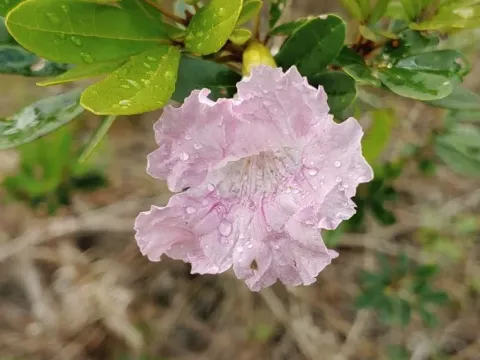
Bahamian trumpet tree
Tabebuia bahamensis
The Bahamian trumpet tree, botanically known as Tabebuia bahamensis, is a striking member of the Bignoniaceae family. It is recognized for its robust growth habit and ornamental value, particularly in tropical landscapes where it provides deep shade and vibrant blooms.
What the section contains
Bahamian trumpet tree
Native to the Bahamas and surrounding Caribbean islands, this species is well-adapted to warm climates. It requires a distinct cycle of wet and dry seasons, which triggers its natural phenological responses, including leaf drop and subsequent flower production.
Cultivation success depends heavily on soil drainage. The species thrives in sandy, limestone-derived soils that do not hold excess moisture. Ensuring proper aeration at the root zone is critical to prevent root-related issues and promote overall tree health.
Sunlight requirements are high, as the tree performs best in full sun. Insufficient light exposure often results in a weak, spindly structure and significantly reduced flower density, which diminishes the primary appeal of the species.
Management practices should include regular monitoring of soil moisture levels, especially during the establishment phase. While mature trees are somewhat drought-tolerant, supplemental irrigation during extreme dry spells can improve foliage density and plant vitality.
Root rot is the most significant threat to Tabebuia bahamensis, typically occurring in poorly drained soils. Excess water creates anaerobic conditions that facilitate the growth of pathogenic fungi, leading to severe root system damage.
Insect pests, notably scale insects and mealybugs, are frequent offenders. These pests feed on plant sap and can cause leaf yellowing and stunted growth. Integrated pest management, including horticultural oils, is effective for control.
Leaf spot diseases can occur during prolonged periods of high humidity and rainfall. To mitigate these threats, it is important to space trees adequately to encourage good air circulation, which helps foliage dry out quickly after storms.
Soil-borne nematodes are a potential issue for young nursery stock. Maintaining good sanitation practices and using pathogen-free soil media are essential steps in preventing the introduction of these microscopic pests into the growing environment.
Sooty mold frequently colonizes leaves that are infested with aphids or scales. By controlling the primary insect infestation, the growth of the mold, which covers the leaf surface and blocks photosynthesis, is effectively managed.