
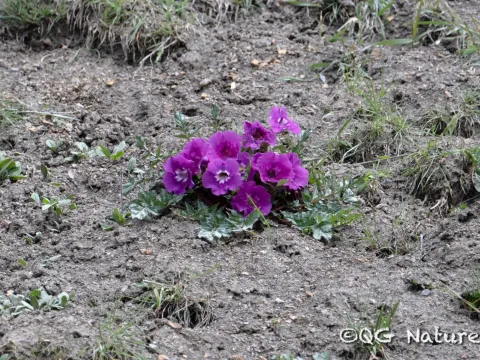
Incarvillea compacta
Incarvillea compacta
Incarvillea compacta is typically propagated by seeds, which can be sown either in autumn for natural stratification or in early spring. Indoor sowing in late winter allows for a longer growing season and earlier blooming.
What the section contains
Incarvillea compacta
Seeds should be covered lightly with a fine, sandy substrate to ensure they have adequate contact with the moisture. Maintain a consistent ambient temperature of around 18–20 degrees Celsius for successful germination.
Seedlings need to be handled with extreme care when transplanting, as they develop a deep taproot that dislikes being disturbed. Using individual pots for each plant is highly recommended to minimize root stress.
Acclimatization before planting outdoors is crucial for the survival of young Incarvillea plants. Gradually introduce them to outdoor conditions over a period of ten days once the danger of frost has passed.
When selecting a site, ensure the soil is loose and friable. The sowing density should allow for proper airflow, as crowded conditions can inhibit the initial development of the rosette foliage.
As a member of the Bignoniaceae family, Incarvillea compacta originates from the high-altitude regions of China. This dwarf perennial is prized for its large, trumpet-shaped flowers and compact growth habit.
The plant thrives in well-drained, gritty soils. In heavy clay, the addition of gravel or coarse sand is necessary to prevent water retention, which is the primary cause of failure in this species.
Full sun is preferred, although the plant will tolerate partial shade in areas with intense midday heat. Proper lighting ensures strong stems and a more prolific flowering display throughout the season.
Irrigation should be regular but cautious. The soil should never be allowed to dry out completely during the growing season, nor should it remain saturated, as the fleshy roots are prone to rotting.
Winter protection is vital in colder climates. Applying a thick layer of mulch, such as dry bark or pine needles, helps protect the crown of the plant from freeze-thaw cycles that can cause damage.
Root rot is the most serious threat to Incarvillea compacta and is almost always associated with poor drainage or overwatering. Once rot sets in, it is very difficult to save the specimen.
Aphids are common pests that colonize the flower buds and young shoots. These insects weaken the plant by feeding on sap and can act as vectors for various plant viruses if left untreated.
Spider mites frequently infest the foliage during hot and dry spells, leading to yellowing leaves and reduced vigor. Increasing humidity or applying an appropriate acaricide can mitigate these infestations.
Slugs and snails are particularly attracted to the fresh growth of young Incarvillea plants in early spring. Physical barriers or organic deterrents are effective methods to keep these pests at bay.
Maintaining a clean garden environment by removing dead organic matter helps reduce the presence of fungal spores. Ensuring good air circulation between plants is the best preventative measure against foliar diseases.