
Jacaranda arborea
Jacaranda arborea
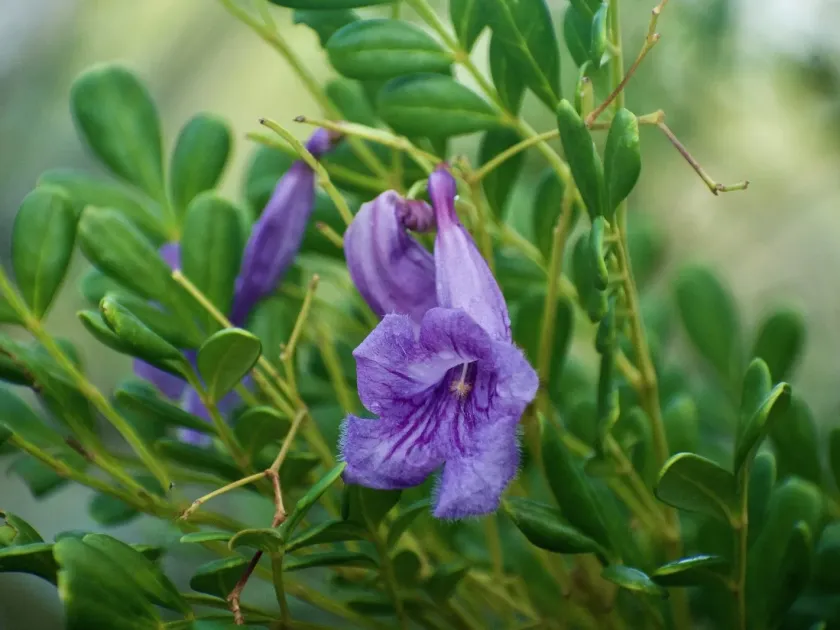
Description
Growing requirements
Jacaranda arborea is a distinguished member of the Bignoniaceae family. This species is valued for its unique botanical architecture, characterized by its fern-like foliage and expansive, spreading crown.
The cultivation of this tree is strictly tied to its thermal requirements. It thrives in tropical and subtropical environments, necessitating regions with frost-free winters to ensure long-term viability.
Soil requirements are quite specific: the tree demands well-draining, nutrient-rich substrates. It performs best in loam or sandy-loam mixtures where moisture does not accumulate at the base.
Full sun exposure is paramount for the development of healthy, dense growth. Without sufficient sunlight, the tree may become leggy and fail to produce its characteristic floral displays.
Regular irrigation is necessary for young specimens, although mature trees develop a degree of drought tolerance. Mulching the soil surface helps maintain optimal humidity levels for the root system.
Main diseases and pests
Root pathogens represent a significant threat to the health of the plant. Over-watering, especially in compact soil types, creates an environment favorable for fungi, leading to irreversible root rot.
Various insect pests, such as whiteflies and scale insects, may colonize the leaves. These pests sap the plant of vital nutrients and can lead to secondary viral or fungal infections.
Integrated Pest Management (IPM) practices are recommended for monitoring and controlling infestations. The early detection of larvae or adults is crucial to preventing mass foliage damage.
Environmental stress, such as exposure to strong, drying winds or extreme fluctuations in temperature, can weaken the plant's natural immune response to pathogens.
Proactive maintenance includes cleaning the base of the tree and ensuring that the canopy has enough space for proper airflow, which prevents the development of mold and mildews.