
Incarvillea mairei
Incarvillea mairei
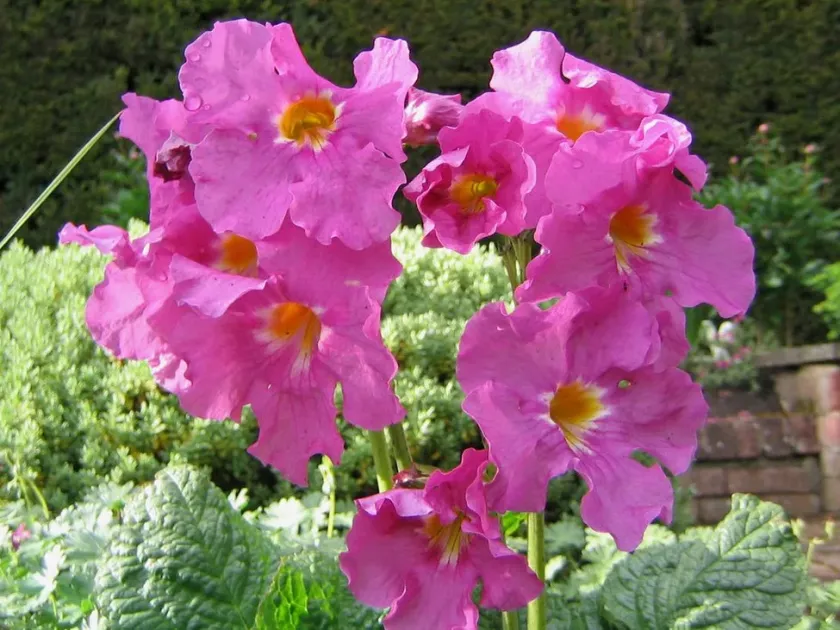
Description
Sowing dates
Incarvillea mairei is a stunning perennial belonging to the Bignoniaceae family, native to high-altitude regions of Asia. Propagation is primarily achieved through seeds, which should be sown in early spring, typically between March and April, in a protected environment.
The seeds require light to germinate, so they should be surface-sown and pressed gently into the growing medium. A temperature range of 18–20 degrees Celsius is optimal for consistent germination, which usually occurs within two to three weeks.
Transplanting seedlings to their final location is best performed once all risks of frost have passed. Due to the brittle nature of the taproot system, extreme care must be taken during the transplanting process to avoid breakage.
For outdoor sowing, a well-prepared seedbed with a mixture of sand and organic compost is recommended to ensure proper drainage. Sowing directly into the ground is suitable in regions with longer growing seasons.
The plant grows as a basal rosette of attractive foliage, from which the floral stalk emerges in early summer. Proper spacing of 30 centimeters apart allows for air circulation, preventing physiological stress to the developing plants.
Growing requirements
The cultivation of Incarvillea mairei requires well-drained, porous soil that mimics the rocky mountain environments of its origin. Heavy, compacted soils lead to root rot and are unsuitable for successful long-term growth.
Full sun to partial shade is the ideal light condition for this species. In hotter climates, a position that provides shelter from the scorching afternoon sun helps prolong the flowering period and maintains foliage health.
Watering must be calibrated to provide moisture without causing waterlogging. Once established, the plant shows some tolerance to dryness, but consistent water availability during the bud-forming stage is essential for a high-quality display.
Fertilization with a balanced, slow-release granular fertilizer early in the spring supports vigorous growth. Avoid excessive nitrogen applications, which can lead to lush vegetative growth at the expense of flower production.
Winter protection is crucial, particularly in areas with fluctuating temperatures and excessive winter moisture. A layer of mulch around the crown of the plant helps protect the root system from deep freeze and prevents crown rot.
Main diseases and pests
The primary concern for Incarvillea mairei is root rot, induced by poor drainage or excessive soil moisture. Once the taproot begins to decay, the entire plant often collapses rapidly, making early prevention through soil modification key.
Gastropods, particularly slugs and snails, are frequent pests that feed on the succulent leaves of the basal rosette. Regular monitoring and the use of physical barriers or organic baits are effective management practices.
Aphids can infest the tender flower stalks, causing distortion and reducing the overall aesthetic quality of the blooms. Standard horticultural soap or systemic insecticide treatments provide effective control when applied at the first sign of infestation.
Botrytis, or grey mold, may occur if air circulation around the plants is poor, especially during periods of high humidity. Removing dead leaves and thinning out dense vegetation helps maintain a healthy microclimate.
Nematodes are less common but can be problematic in contaminated soils, leading to stunted plants with yellowing leaves. Using sterilized potting mixes for container-grown plants is a highly effective preventative measure.