
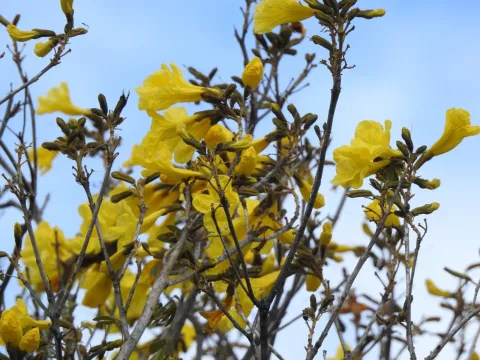
Handroanthus
Handroanthus Mattos
Handroanthus is a genus of flowering plants belonging to the Bignoniaceae family. These trees are native to tropical and subtropical regions of the Americas and are highly valued for their ecological role and economic utility in forestry.
What the section contains


Handroanthus
The culture thrives in fertile, well-drained soils, preferring a neutral or slightly acidic environment. Poor soil drainage is a major limiting factor in cultivation, as excessive moisture often leads to root rot and other physiological issues in developing trees.
Handroanthus requires a high level of solar exposure to support rapid growth and high wood density. Being a tropical species, it demands consistently warm temperatures and is strictly intolerant of frost, which restricts its cultivation to frost-free climatic zones.
Agrotechnical practices include maintaining adequate soil moisture during the establishment phase, though mature specimens show remarkable resilience during dry seasons. Regular application of organic nutrients is recommended to enhance the structural development of the trunk.
The primary economic use of this culture is the production of high-quality hardwood timber, commercially known as ipe. This wood is highly sought after for its exceptional hardness, resistance to decay, and natural durability in outdoor applications such as decking and construction.
Fungal pathogens associated with high humidity and stagnant water are the most common threats to Handroanthus plantations. Implementing proper drainage systems and regular health monitoring are essential strategies to prevent widespread infections.
Wood-boring insects represent a significant biological threat that can compromise the structural integrity and market value of the timber. Effective pest management programs, including biological controls and timely inspections, are necessary to protect the wood quality.
Weed management is critical during the initial growth years to ensure that young saplings do not compete for essential soil nutrients. Frequent weeding around the base of the trees promotes faster growth and improves overall plantation vigor.
Mechanical damage to the bark must be minimized to prevent opportunistic infections by pathogens. Plantation management should involve careful handling during routine maintenance and harvesting processes to maintain tree health.
Integrated pest management strategies are essential to manage outbreaks without relying solely on chemical pesticides. Encouraging natural predators and maintaining biodiversity within the plantation helps create a more resilient ecosystem for the trees.