
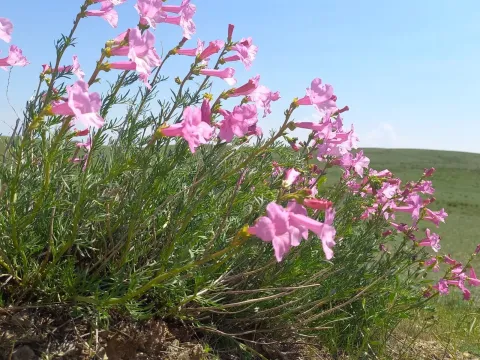
Incarvillea
Incarvillea
Incarvillea seeds can be sown directly into the ground in spring once the soil has warmed up, or in late autumn for natural stratification. Indoor sowing in March is often preferred to ensure a longer growing season and early flowering.
What the section contains

Incarvillea
The seeds require light to germinate, so they should be covered only lightly with a thin layer of soil or substrate. Maintaining consistent moisture and a temperature around 20 degrees Celsius is essential for successful germination.
When starting seedlings indoors, prick them out once the first true leaves appear. Using biodegradable pots is recommended because the plant's taproot is sensitive and does not tolerate transplanting very well.
Transplanting into the garden should occur after the last spring frost. The seedlings must be hardened off gradually over a week before being planted into their final, permanent location.
Proper spacing of 30 to 40 centimeters is crucial to allow for mature growth. This spacing provides adequate airflow, which is a major factor in preventing fungal diseases in the foliage and root systems.
Incarvillea belongs to the Bignoniaceae family and is native to high-altitude regions in Central and Eastern Asia. It is valued for its unique, trumpet-shaped flowers that bloom in late spring and early summer.
The primary requirement for this crop is excellent soil drainage. It thrives in light, fertile, and well-aerated soil; heavy clay soils should be amended with gravel or coarse sand to prevent water stagnation, which is lethal.
The ideal location for Incarvillea is a sunny spot that receives partial shade during the hottest part of the day. Consistent light levels help maintain compact growth and encourage an abundance of flower buds.
Water management is critical; while the plants need moisture during the growing season, the soil must never be waterlogged. During winter, the roots need to be kept relatively dry to avoid rotting in cold, damp soil.
Applying a balanced, low-nitrogen fertilizer during the active growth stage can support better flowering. Over-fertilization should be avoided, as it may result in lush leaf growth at the expense of floral development.
Root rot is the most significant threat to Incarvillea, usually caused by overwatering or poor drainage. Ensuring the crown of the plant stays dry during winter is essential to preserve the perennial root system.
Slugs and snails are the most frequent pests, particularly in spring when new, tender growth appears. Gardeners should employ protective measures like copper tape or slug pellets to prevent widespread damage to the foliage.
Spider mites can be a problem in hot, dry conditions. If detected, treatment with appropriate acaricides or neem oil can effectively control the population and prevent the spread of the infestation to other plants.
Aphids might colonize the flower buds, causing them to wilt or deform. Regular monitoring and washing the plants with a gentle soapy solution or using targeted insecticides will help keep the plants healthy.
General hygiene, such as clearing away debris and dead foliage at the end of the season, reduces the overwintering sites for pests. Maintaining overall soil health will ensure that Incarvillea remains vigorous and disease-resistant.