
Incarvillea sinensis
Incarvillea sinensis
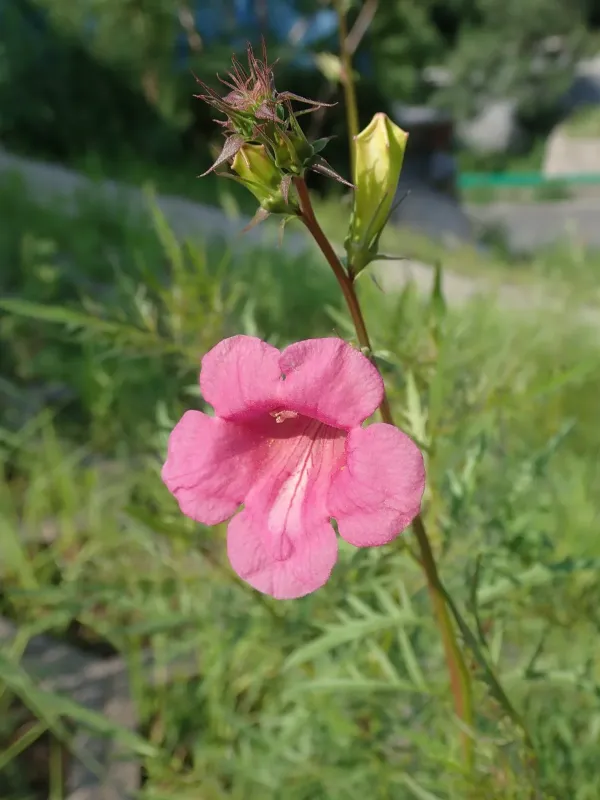
Description
Sowing dates
Incarvillea sinensis, a member of the Bignoniaceae family, is primarily propagated through seeds. Sowing in open soil is typically performed in late spring once the danger of frost has passed.
For earlier flowering, the seedling method is preferred. Seeds are sown in trays indoors during late winter, specifically in February or March, requiring consistent warmth.
The seedlings require careful handling during transplanting because the root system of this species is sensitive to disturbance and can easily sustain damage.
Once established, the young plants should be spaced approximately 30–40 cm apart to prevent competition for nutrients and to allow proper air flow.
As a perennial herb, it may require annual winter mulching in colder climates to protect the crown from frost heaving and excessive moisture.
Growing requirements
Native to the temperate regions of East Asia, Incarvillea sinensis demands a location with full sun or partial shade, protected from intense afternoon heat.
The fundamental requirement for successful growth is soil with excellent drainage. This plant cannot tolerate "wet feet," as its fleshy roots are prone to rapid decay.
The ideal growing medium is a gritty, sandy loam or a well-drained loamy soil, enriched with organic matter to support balanced plant development.
Watering should be regular during the active growing season but should be reduced significantly as the plant enters dormancy in late autumn.
Fertilization with a balanced, slow-release fertilizer is recommended once during the spring to encourage robust growth and abundant flowering.
Main diseases and pests
Fungal diseases are the most significant threat to this crop, particularly root rot, which thrives in poorly drained or waterlogged soils during wet springs.
The sensitivity of the roots to moisture necessitates the use of raised beds or specialized drainage layers in heavy soil conditions.
Insects like aphids and spider mites are common pests that feed on the foliage, potentially weakening the plant if left untreated.
Gastropods such as slugs and snails are highly attracted to the fresh green leaves and can cause extensive damage to young seedlings.
Integrated pest management strategies, including the use of barriers and appropriate chemical treatments, are necessary to maintain plant health throughout the season.