
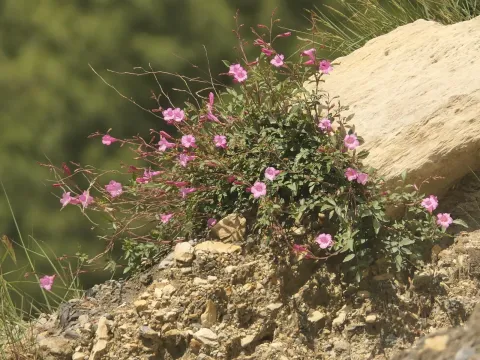
Incarvillea diffusa
Incarvillea diffusa
Sowing seeds of Incarvillea diffusa is usually carried out in early spring, during March or April, under greenhouse conditions. It is optimal to use a light, loose substrate with excellent drainage to prevent moisture accumulation during the germination phase.
What the section contains
Incarvillea diffusa
Maintaining a temperature range between 18 and 22 degrees Celsius is crucial during the sowing period. Seeds should be placed on the surface of moistened soil, lightly covered with a thin layer of vermiculite or sand, and then protected with glass or plastic film.
Seedlings should be transplanted (pricked out) after the emergence of the first pair of true leaves. They are moved into open ground only when the threat of night frost has completely passed, typically in late May or early June.
When sowing directly into the open ground, select well-warmed plots where the soil is not prone to heavy compaction. The sowing depth should not exceed 0.5-1 cm to ensure successful germination.
Due to the plant developing a robust root system, site selection is critical. Choose a location where the perennial can remain undisturbed for several years as it does not tolerate frequent transplanting.
Incarvillea diffusa belongs to the Bignoniaceae family and is an elegant perennial herb known for its unique leaf structure and vivid tubular flowers, which add significant aesthetic value to gardens.
This crop prefers sunny locations protected from strong winds, though it can tolerate partial shade during the peak heat of the day.
The plant has specific soil requirements: the medium must be permeable, slightly acidic or neutral, and rich in organic matter. On heavy clay soils, incorporating sand or fine gravel is essential to ensure proper water runoff.
Water stagnation in the root zone is detrimental, often leading to rot, especially during cold and wet seasonal transitions. Proper site preparation with enhanced drainage is the key to longevity.
In regions with harsh winters, Incarvillea requires mandatory mulching of the root zone with peat, dry leaves, or evergreen boughs to protect the rhizome from freezing temperatures.
The primary challenge in cultivating this species is root rot, which is frequently triggered by excessive moisture in the soil during winter and early spring months.
Soil-borne nematodes represent the most significant pest risk for Incarvillea diffusa, as they target the root system, weakening the plant's overall vitality and resistance to other stressors.
During hot and dry weather, spider mites may infest the leaf blades. Control measures include regular misting or the application of specialized acaricidal treatments to protect the foliage.
Slugs and snails can cause damage to young, tender shoots at the beginning of the growing season. Implementing protective barriers or using bait is recommended to minimize leaf loss.
To prevent the spread of fungal diseases, maintain proper spacing between plants to ensure adequate air circulation, which helps keep the foliage dry and healthy throughout the summer.