
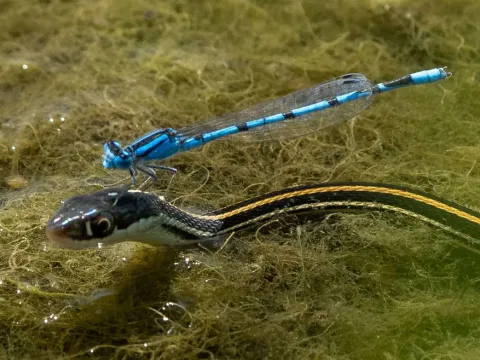
Enallagma
Enallagma
Enallagma is a genus of damselflies belonging to the Coenagrionidae family. It is not an agricultural crop but a significant group of beneficial insects that assist in regulating insect populations within agricultural landscapes.
What the section contains
Enallagma
These insects rely heavily on permanent or semi-permanent freshwater habitats. The larval stage, known as naiads, is strictly aquatic and requires oxygen-rich water with submerged vegetation for protection and hunting.
Climate requirements for Enallagma include stable temperate environments. While they are resilient, they thrive best in regions where wetlands are maintained, as these provide the necessary moisture and foraging opportunities for adults.
Management practices that favor these insects include the integration of buffer strips and the preservation of natural ponds around fields. This infrastructure provides essential shelter and breeding sites for the damselfly population.
Biological monitoring shows that healthy populations of Enallagma correlate with reduced pest pressure, as they actively prey on small insects, including potential agricultural pests, during their flying stage.
The primary threat to Enallagma is the widespread application of broad-spectrum pesticides in modern agriculture. These chemicals often leach into water bodies, proving lethal to the sensitive larval stages of the damselfly.
Water pollution resulting from nitrogen and phosphorus runoff leads to eutrophication of the ponds. This process depletes dissolved oxygen, making it impossible for damselfly naiads to complete their life cycle.
Habitat destruction, specifically the filling in of small ponds or the clearing of riparian vegetation, drastically reduces available breeding grounds. Loss of these sites directly impacts the local population density.
Natural predation by birds, amphibians, and larger predatory insects is a standard part of the life cycle. However, when these populations face stress from environmental changes, the cumulative pressure can lead to local extinction.
Invasive fish species introduced into local waterways can pose a major threat, as they consume the aquatic naiads of Enallagma, disrupting the balance of the local ecosystem significantly.