
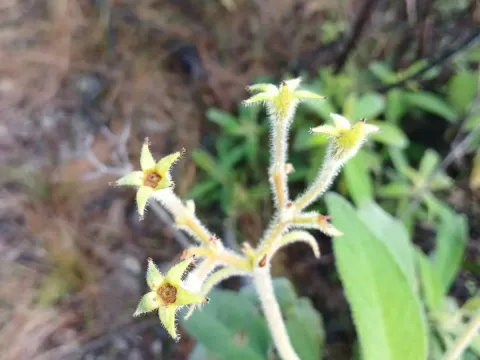
Rhytidophyllum
Rhytidophyllum
Rhytidophyllum is a genus of perennial plants belonging to the Gesneriaceae family. These plants are scientifically significant due to their specialized adaptations to the unique ecological niches of the Caribbean islands, where they primarily originate.
What the section contains

Rhytidophyllum
The natural range of the genus is concentrated in Cuba, Haiti, and Puerto Rico, where they thrive in limestone forests and rocky terrain. This native environment dictates their requirement for high air humidity and well-draining soil, which are critical for their survival in a domestic or greenhouse setting.
Botanically, these plants are recognized by their large, often rugose (wrinkled) foliage and, in many species, a woody base. The surface of the leaves is usually pubescent, serving as an evolutionary defense against moisture loss, which is a classic feature of tropical flora adapted to intense sunlight.
For successful cultivation, a controlled climate is essential. Rhytidophyllum requires stable temperatures between 20°C and 25°C, along with bright, indirect lighting. Soil composition should be porous and slightly acidic, ensuring that roots are not waterlogged while maintaining high overall moisture levels.
The economic and practical use of Rhytidophyllum is largely restricted to ornamental horticulture and botanical research. It is a prized subject for conservatory collections due to its distinct appearance and exotic nature, though it is not utilized for mass agricultural production.
The primary threats to the health of Rhytidophyllum are fungal pathogens, specifically those causing stem and root rot. These diseases are almost exclusively linked to poor drainage and inadequate air circulation, which create a stagnant environment favored by pathogens.
Pest management focuses on controlling spider mites and mealybugs, which frequently infest the densely pubescent leaves. Because the hair-like structures on the foliage make chemical treatment difficult, integrated pest management and regular inspection are the most effective strategies for maintaining plant health.