
Rhytidophyllum tomentosum
Rhytidophyllum tomentosum
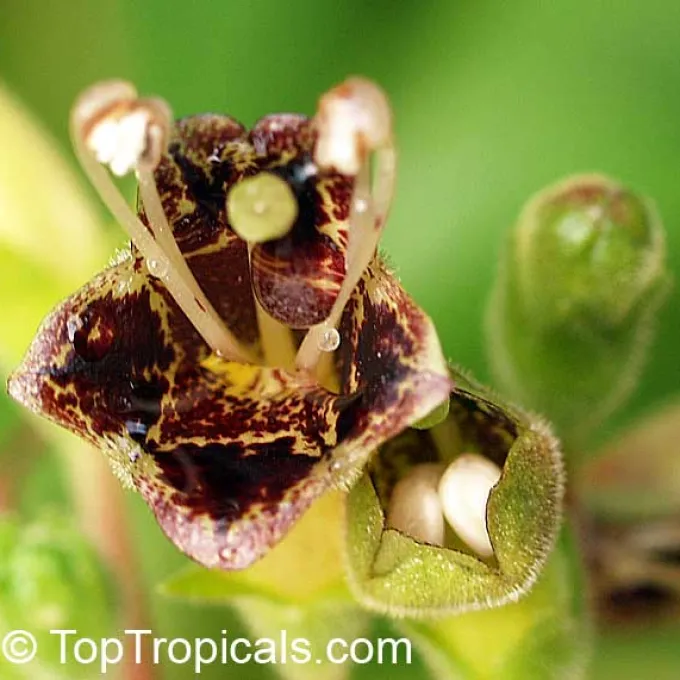
Description
Sowing dates
Rhytidophyllum tomentosum belongs to the Gesneriaceae family and is a distinctive tropical perennial. Propagation usually begins with sowing seeds in late winter under controlled greenhouse conditions with artificial lighting to ensure optimal germination rates.
The seeds are extremely fine and should be surface-sown on a sterile, well-draining substrate mixture consisting of peat moss and perlite. High humidity and a constant temperature of 22–25 degrees Celsius are essential for successful emergence.
Seedlings are transplanted into individual containers once they reach the size of a few true leaves. This transition phase requires gradual acclimation to lower humidity levels to prevent shock and ensure robust development.
Appropriate spacing during the early stages of growth is critical to avoid competition for light and nutrients. Ensuring good air circulation prevents the damping-off syndrome which can quickly destroy young cultures.
Vegetative propagation via cuttings is a viable alternative for maintaining genetic consistency. Cuttings are typically rooted in moist perlite or a light soil mix under high-humidity domes to stimulate root formation.
Growing requirements
This species thrives in environments that replicate its native Jamaican habitat. It requires consistently warm temperatures, ideally between 18 and 28 degrees Celsius, and protection from drafts which can cause rapid leaf desiccation.
Bright, filtered light is necessary for healthy growth. Direct intense sun can damage the pubescent foliage, leading to yellowing or brown necrotic spots, while insufficient light leads to spindly and weak stems.
The growing medium must be loose, airy, and slightly acidic. A mix of peat, bark, and perlite provides the necessary structure to support the roots while maintaining optimal moisture levels without waterlogging.
Watering should be performed carefully, ensuring the substrate dries slightly between sessions. Soft, room-temperature water is ideal to avoid mineral buildup and temperature shock to the sensitive root system.
Regular fertilization with a balanced, water-soluble fertilizer is recommended during the growing season. Applying half-strength doses ensures steady growth without risking root burn from excess nutrient accumulation.
Main diseases and pests
Pest management for Rhytidophyllum tomentosum focuses on preventing spider mites and mealybugs, which are highly attracted to the soft, hairy leaf texture. Early detection is paramount for effective control.
Fungal diseases, including powdery mildew and various root rots, are the primary risks associated with high humidity and poor ventilation. Keeping the foliage dry is a key strategy for preventing surface fungal infections.
Root rot is almost exclusively caused by overwatering or compacted soil that limits oxygen availability. Once detected, immediate repotting into fresh, sterile media is often necessary to save the specimen.
Integrated pest management, including the use of neem oil or systemic insecticides, should be implemented if an outbreak occurs. Always treat affected plants in a shaded area to avoid chemical reactions on the leaves.
- Maintain good airflow around the plants to prevent mold.
- Avoid getting water on the leaves during overhead irrigation.
- Monitor the soil moisture daily using a moisture meter.
- Sanitize all pruning tools between uses to prevent disease spread.