
Ramonda myconi
Ramonda myconi
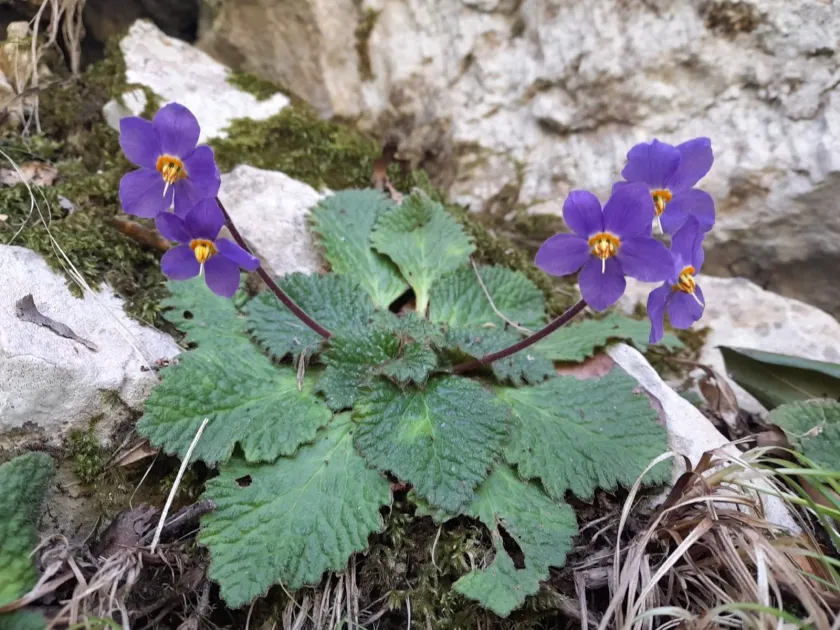
Description
Sowing dates
Ramonda myconi is a unique perennial herb belonging to the Gesneriaceae family, highly valued by alpine plant enthusiasts for its rosette-forming habit.
Propagation is typically achieved through seeds, which should be sown in late winter or early spring using a fine, well-draining substrate mix.
Because the seeds are extremely small, they should be surface-sown and pressed gently into the soil without covering them, maintaining high humidity.
Germination requires consistent light and moderate warmth; once the seedlings appear, they must be handled with extreme care to avoid disturbing the roots.
Pricking out the young plants into individual pots is necessary once the first true leaves have developed, ensuring a steady, slow-paced growth environment.
Growing requirements
Native to the rocky crevices of the Pyrenees, this species thrives in cool, shaded environments where it can anchor its roots into lime-rich substrates.
The plant requires excellent drainage, as it is highly sensitive to waterlogging, which often leads to root rot in poorly prepared garden soils.
Placement in an alpine garden should mimic its natural habitat, favoring north-facing slopes or spots shielded from harsh, direct afternoon sunlight.
Ramonda myconi is famous for its poikilohydric nature, allowing it to survive extreme desiccation by shriveling up and rehydrating rapidly after rain.
Maintaining a stable level of humidity is crucial, especially during the summer, to ensure the plant remains vigorous and produces its characteristic flowers.
Main diseases and pests
Root and crown rot represent the most significant threats to this plant, usually caused by stagnant water or poor air circulation around the rosette.
Slugs and snails are major pests that can damage the thick, leathery leaves overnight, especially in damp conditions common in woodland or alpine areas.
In overly dry environments, spider mites can become an issue, leading to leaf discoloration and a decline in the plant's overall health.
Prevention of fungal infections involves avoiding overhead watering and ensuring that the rosette remains dry, especially during the colder months.
Regular maintenance, including the removal of dead leaves from the base of the rosette, helps to reduce the risk of humidity-related pathogens.