
Ramonda nathaliae
Ramonda nathaliae
Description
Growing requirements
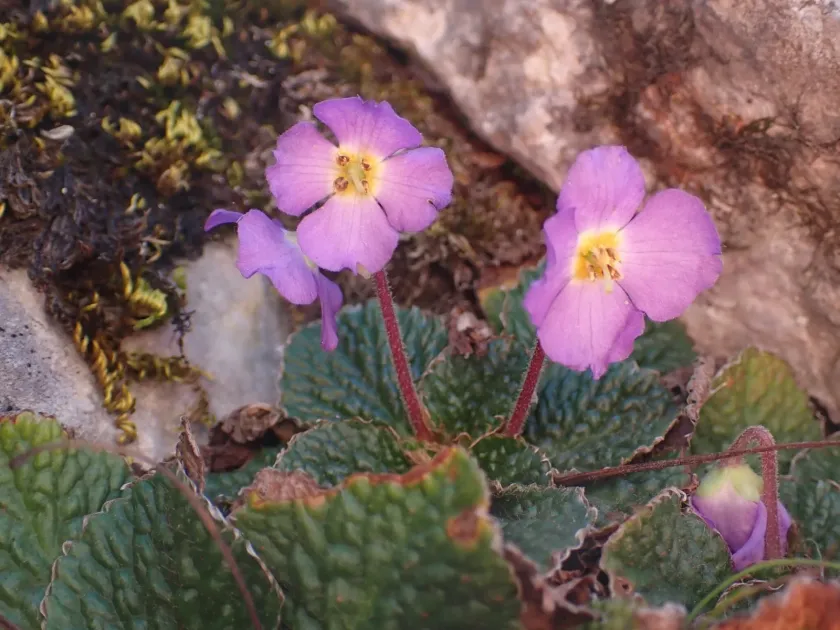
Ramonda nathaliae is a rare, slow-growing perennial herb belonging to the Gesneriaceae family, noted for its incredible drought tolerance and resilience.
Native to the Balkan Peninsula, it is typically found in shaded limestone crevices, where it thrives in conditions that would cause most plants to perish.
To cultivate this species, it is essential to provide a well-drained, porous substrate that mimics its natural habitat, preventing any water accumulation near the crown.
The plant requires filtered light or morning sun, as intense, direct afternoon exposure can bleach the foliage and cause permanent damage to the leaf structure.
Due to its compact growth habit and elegant violet-blue flowers, it is highly prized by alpine enthusiasts and collectors of botanical rarities worldwide.
Main diseases and pests
The primary concern for Ramonda nathaliae is fungal infection, which occurs primarily when the crown remains wet for too long or air ventilation is poor.
Root rot, driven by stagnant water in the soil, is the most common cause of failure in domestic cultivation and requires careful soil management.
Slugs and snails pose a significant risk to the plant, especially when it is placed in outdoor rock gardens, where they can quickly destroy the leaves.
Occasionally, aphids can settle in the center of the rosette, weakening the plant and potentially spreading viral pathogens between specimens.
Maintain plant health by ensuring consistent airflow and using protective barriers or integrated pest management strategies to keep mollusks away from the foliage.