
Slipper flower
Calceolaria fruticohybrida
Description
Sowing dates
Sowing of Calceolaria hybrida is usually performed in winter, typically January or February, to ensure blooming during the spring season. The seeds are exceptionally small, so they should be sown on the surface of the growing medium without covering them with soil.
For successful germination, a stable temperature of 18–20 degrees Celsius and bright light are required. The containers must be covered with glass or transparent film to maintain high humidity levels during the initial growth stages.
Seedlings usually emerge within two to three weeks, provided that the environment is ventilated regularly. Once the first true leaves appear, the cover should be removed gradually to acclimate the young plants to room conditions.
Pricking out is performed twice: first when the seedlings develop two true leaves, and later in individual pots. This process is essential for developing a strong root system, which is the foundation for future vigorous blooming.
Given the cultural requirements, supplemental artificial lighting is often necessary if sown early, as the plants need a long photoperiod to prevent stretching and to encourage healthy foliage development.
Growing requirements
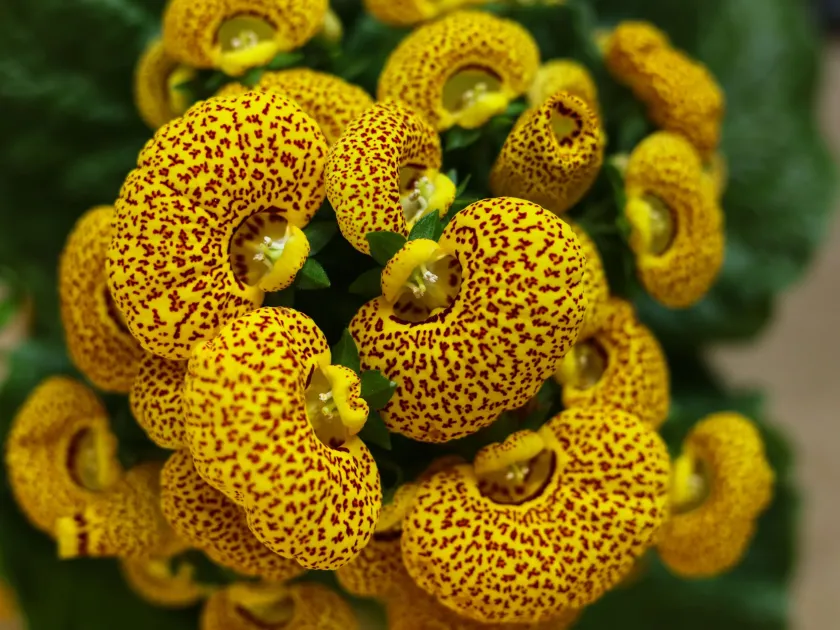
Calceolaria hybrida belongs to the Calceolariaceae family and originates from the mountainous regions of South America. It is widely cultivated for its unique, pouch-shaped flowers that appear in a diverse range of vibrant colors and patterns.
This crop prefers cool climates, with an ideal growing temperature ranging between 12 and 15 degrees Celsius. Because it struggles in extreme heat, it is often treated as a seasonal ornamental plant rather than a long-lived perennial.
The soil should be light, well-draining, and slightly acidic or neutral. A peat-based mixture with added sand or perlite is recommended to provide adequate aeration for the sensitive root system of the slipper flower.
Watering must be precise and consistent, keeping the soil moist but never waterlogged. Overwatering is the most common cause of root rot, so it is vital to ensure the pot has excellent drainage and is not sitting in stagnant water.
High air humidity is beneficial for the plant's health, yet the fuzzy leaves should be kept dry to avoid fungal issues. Placing pots on trays filled with damp gravel is a common professional practice to provide moisture without wetting the foliage.
Main diseases and pests
The most common pests affecting Calceolaria hybrida are aphids and whiteflies, which thrive in protected greenhouse environments. Integrated pest management, including systemic insecticides, is recommended at the first sign of infestation.
Grey mold and powdery mildew are significant threats, especially in conditions of high humidity combined with poor air circulation. Regular airflow and avoiding overcrowding are primary cultural methods for preventing these fungal diseases.
Root rot remains the most destructive condition for this crop, usually resulting from over-irrigation or cold, damp substrate. Preventive measures include ensuring the soil dries slightly between waterings and applying appropriate fungicides if needed.
Spider mites may infest the plants if the ambient air becomes too dry, particularly near heating sources. Monitoring the underside of the leaves regularly allows for early detection and mitigation of potential pest outbreaks.
Maintaining strict hygiene in the cultivation area, such as removing debris and infected plant parts, is crucial for plant health. With diligent care and monitoring, growers can successfully manage these threats and maintain the plant's ornamental value.