
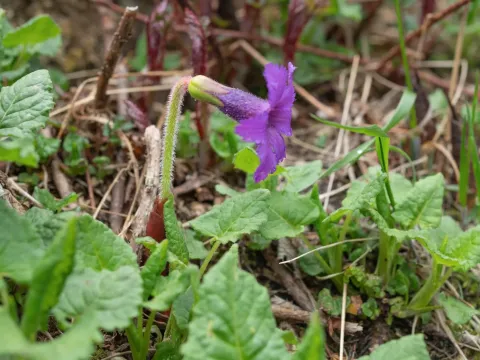
Omphalogramma
Omphalogramma
Omphalogramma is a genus of perennial herbs belonging to the Primulaceae family. Previously confused with the Gesneriaceae family due to their striking, tubular, bell-shaped flowers, they are now taxonomically classified within the Primula group.
What the section contains

Omphalogramma
These plants originate from the high-altitude regions of the Himalayas, Southwest China, and Myanmar. They thrive in subalpine meadows and scree slopes, conditions characterized by cool temperatures and naturally acidic soil enriched with humus.
Botanically, the plant is distinguished by its deciduous habit, as the aerial parts die back to the ground during the dormant period, leaving behind fleshy rhizomes. During the growing season, a basal rosette of leaves emerges, followed by elegant, often solitary, large flowers on sturdy peduncles.
Successful cultivation requires a cool climate with high ambient humidity. In temperate gardens, they are best suited for cool, shaded rock gardens where they are protected from the intense heat of the midday sun, which can cause physiological stress.
The soil requirements involve a mixture that is porous and well-draining but moisture-retentive. Gardeners often use a substrate consisting of leaf mold, peat, and stone chippings to replicate the gritty, acidic environment of the Himalayan foothills.
The primary threat to the health of Omphalogramma is poor drainage, which leads to crown rot and rhizome decay. If the soil remains saturated during the winter dormancy period, the plant is highly susceptible to lethal fungal infections.
Pests, particularly slugs and snails, find the succulent leaves of the plant highly palatable. Regular monitoring is necessary, especially in early spring when the tender foliage is emerging, to prevent significant herbivory that could weaken the plant's long-term vitality.