
Omphalogramma vinciflorum
Omphalogramma vinciflorum
Description
Growing requirements
Omphalogramma vinciflorum is a rare and highly sought-after perennial plant belonging to the Primulaceae family. Native to the high-altitude alpine meadows of Southwestern China, this species is prized by collectors for its striking, vinca-like flowers.
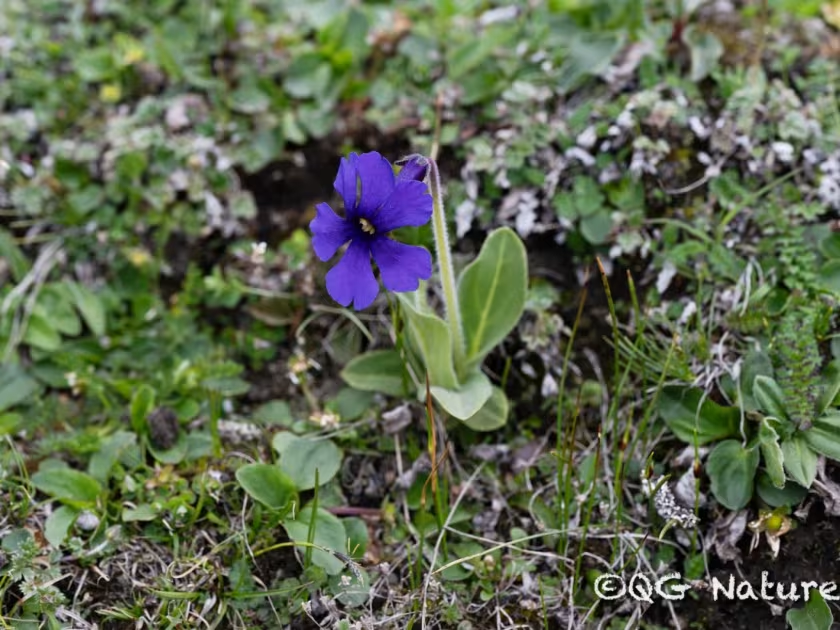
The plant possesses distinctive botanical characteristics, including a basal rosette of leaves and a single, large, trumpet-shaped bloom that rises on a short, stout stalk. It represents a specialized group of plants that thrive in extreme high-elevation environments.
Climatic requirements are specific: it demands cool summers and consistent moisture. High temperatures are detrimental, often leading to dormancy or mortality, making it a challenge for gardeners outside of cool-temperate or alpine microclimates.
Soil composition is critical for long-term survival. The substrate must be exceptionally well-drained, porous, and rich in leaf mold or organic peat. A mixture of grit, sand, and organic matter is typically recommended to mimic the rocky, humus-rich soil of its native habitat.
Cultural practices require careful attention to water management. While the soil should never dry out completely, it must not become waterlogged. Partial shade is essential to protect the foliage from the scorching effects of intense, direct afternoon sun.
Main diseases and pests
Fungal pathogens are the most significant threat to Omphalogramma vinciflorum. Root and crown rots, often caused by Phytophthora or Pythium species, can rapidly destroy the plant if the drainage is inadequate or if the soil remains excessively damp.
Slugs and snails present a persistent danger during the spring when the new, tender growth emerges. These mollusks can consume significant portions of the plant, necessitating the use of barrier controls or eco-friendly deterrents to protect the specimen.
Poor air circulation increases the risk of grey mold (Botrytis cinerea) developing on the foliage, particularly in humid and stagnant air conditions. Ensuring good ventilation around the plant is a fundamental aspect of preventing fungal outbreaks.
Environmental stress, such as sudden fluctuations in temperature during the winter, can lead to plant loss. Providing a stable, cool environment during the dormant season is important for the plant's health and successful emergence in the following spring.
Regular inspection of the basal area is advised to detect early signs of infestation or decay. Any debris or decaying organic matter should be removed promptly from around the crown to reduce the risk of pathogen accumulation and ensure healthy plant development.