
Nippon primrose
Primula nipponica
Description
Growing requirements
The Nippon primrose (Primula nipponica) is a perennial herbaceous plant belonging to the Primulaceae family. It is native to the alpine regions of Honshu, Japan, where it thrives in rocky, high-altitude mountain environments.
This species is well-known for its specific environmental requirements. It demands a cool, humid climate and is sensitive to extreme heat, making it a challenging plant to cultivate in regions with hot summers. It prefers semi-shaded positions protected from direct midday sun.
Soil composition is critical for this species; it requires a light, well-draining substrate rich in organic matter. A mix involving grit or perlite is highly recommended to prevent waterlogging, which the plant is intolerant to, particularly in the dormant season.
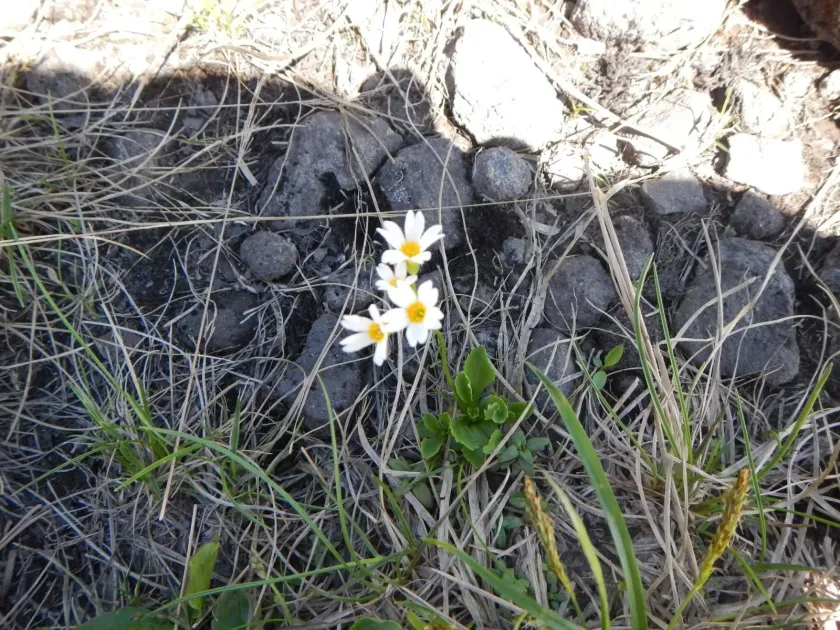
The plant grows in compact rosettes of leathery, serrated leaves. The flowers are typically white with a yellow throat, appearing in clusters on short scapes during spring. Its aesthetic appeal makes it a coveted specimen for alpine gardens and rockeries.
In terms of usage, the Nippon primrose is grown almost exclusively as a collector's ornamental plant. It requires careful placement in rock gardens or specialized alpine troughs where the gardener can precisely control the soil drainage and temperature.
Main diseases and pests
The primary threats to Primula nipponica are fungal pathogens related to excessive moisture, particularly crown rot and root rot. Ensuring excellent drainage is the most effective preventative measure against these deadly conditions.
Pests such as aphids can cause damage during the flowering stage by sucking sap from the stems and buds. Regular inspection and mild horticultural interventions can help manage these populations effectively.
Slugs and snails pose a significant threat to the foliage. Because the plant is small and low-growing, a small infestation can cause substantial damage to the rosette within a short period during damp weather.
Spider mites are a common issue in indoor or greenhouse cultivation if the environment becomes too dry. Increasing humidity and ensuring proper air circulation can prevent outbreaks and keep the plants healthy throughout the growing season.
Root nematodes can also be problematic, potentially leading to stunted growth or total plant failure. Using clean, sterilized soil components when potting or planting is essential to prevent the introduction of these soil-borne pests into the growing area.