
Heberdenia excelsa
Heberdenia excelsa
Description
Growing requirements
Heberdenia excelsa is an evergreen tree belonging to the Primulaceae family. It is endemic to the Macaronesian region, primarily found in the laurel forests of the Canary Islands and Madeira, where it plays a key role in the local ecosystem.
The plant thrives in humid, subtropical climates with mild temperatures throughout the year. It requires a stable environment and is highly sensitive to frost, making it suitable for temperate greenhouses or strictly controlled conservatory conditions.
Ideal soil requirements include a well-draining, nutrient-rich, and slightly acidic growing medium. Waterlogging is detrimental to the root system, so pots must have an efficient drainage layer to prevent moisture accumulation.
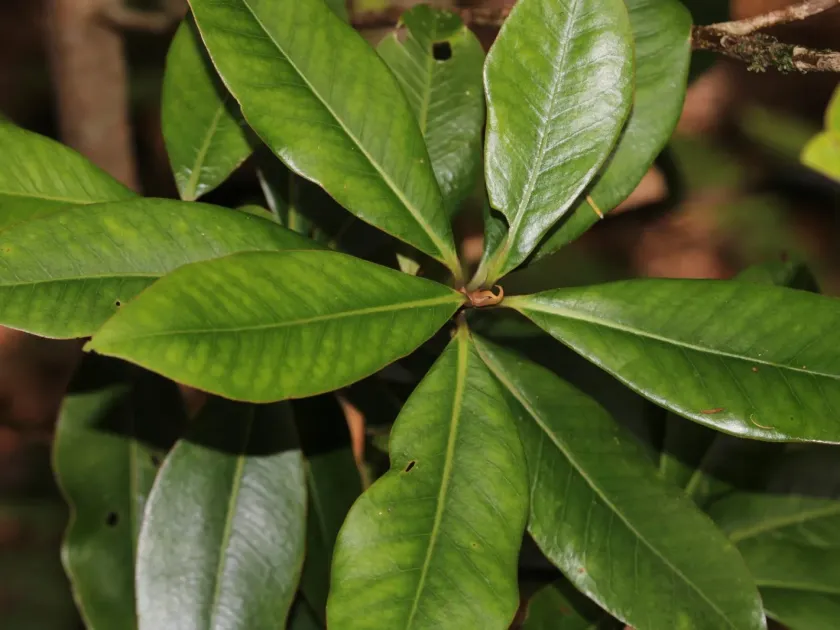
Botany-wise, the species is recognized for its glossy, coriaceous leaves and clusters of small, delicate flowers. It produces dark berries that provide an aesthetic appeal, contributing to its status as a desirable plant for botanical research and collection.
In terms of agricultural and horticultural use, it is mostly maintained in specialized botanical gardens. Its slow growth rate and specific habitat needs make it a niche plant rather than a widespread commercial agricultural crop.
Main diseases and pests
The primary threat to Heberdenia excelsa is the destruction of its native laurel forest habitat. Invasive non-native plant species often outcompete this slow-growing endemic, leading to a decline in its natural population density.
In indoor or greenhouse settings, common pests such as spider mites and mealybugs can infest the foliage, particularly if the air is too dry. Regular misting and adequate air circulation are essential preventive measures for healthy growth.
Root rot is the most common health issue resulting from poor drainage or overwatering. Maintaining the correct moisture balance is crucial, as the roots are highly susceptible to pathogenic fungi when left in stagnant, water-soaked soil.
Chlorosis, or yellowing of the leaves, frequently occurs when the irrigation water has high alkalinity or high mineral salt content. Using rainwater or purified water is highly recommended to keep the foliage in optimal condition.
Climate change poses a long-term risk to the species by altering the fog-dependent water cycles of the laurel forests. Conservation efforts must focus on maintaining humidity levels and protecting the remaining native groves from habitat fragmentation.