
Bryocarpum himalaicum
Bryocarpum himalaicum
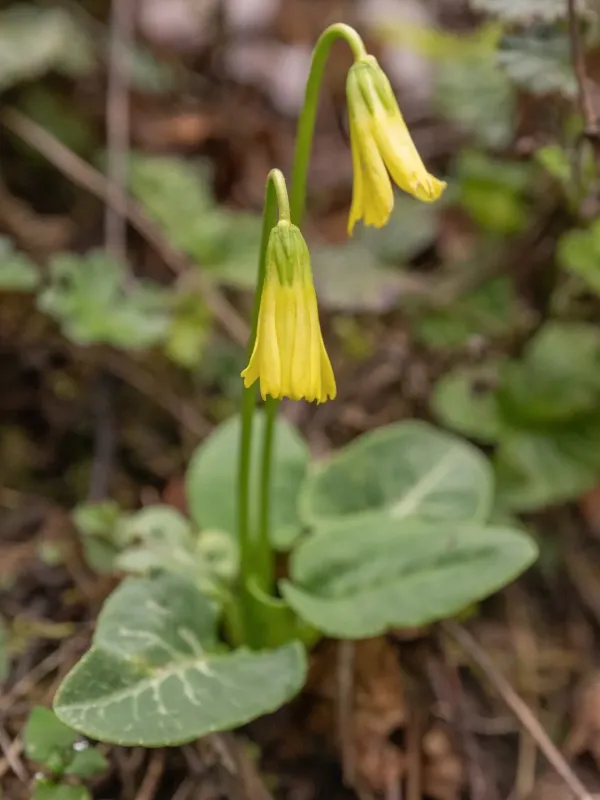
Description
Growing requirements
Bryocarpum himalaicum is a rare and sophisticated perennial belonging to the Primulaceae family, native to the high-altitude regions of the Himalayas. This species is highly valued by botanical enthusiasts for its delicate appearance and strict environmental requirements that mirror its alpine origins.
The success of growing this plant depends heavily on substrate management. The soil must be exceptionally well-draining, consisting of a mix of peat, leaf mold, coarse sand, and grit. Ensuring proper aeration at the root level is mandatory to prevent root rot, which is the most common cause of failure in cultivation.
In terms of climate, Bryocarpum himalaicum thrives in cool, humid environments with moderate light levels. It cannot tolerate high temperatures or direct, scorching sunlight. Providing a sheltered position, such as a cold frame or a specialized rock garden, helps maintain the necessary cool temperature range.
The botanical structure of the plant consists of a basal rosette of leaves and distinctive fruit capsules. Propagation is usually achieved through seeds, which require specific stratification periods to germinate. Growers must be patient, as the plant is known for its slow maturation and low overall growth rate.
Horticultural usage is strictly limited to specialist collectors and alpine plant enthusiasts. The species is not suited for mass agriculture but serves as an important ornamental subject for botanical institutions focused on conserving high-altitude alpine biodiversity and rare, sensitive plant species.