
Lycaste
Lycaste
Lycaste is a genus of sympodial orchids within the Orchidaceae family. These plants are native to the tropical regions of Central and South America, where they typically thrive as epiphytes or lithophytes in humid, mountainous cloud forests at significant elevations.
What the section contains


Lycaste
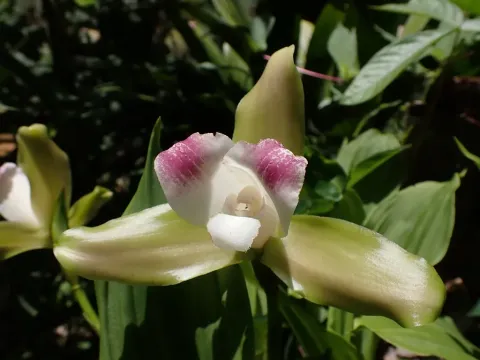
Botanically, Lycaste orchids are recognized by their distinct, fleshy pseudobulbs and broad, pleated leaves that often drop during the dormant season. The flowers are notable for their waxy texture, triangular shape, and frequently sweet, spicy fragrance that can fill an entire growing space.
Cultivation requires strict environmental control, particularly regarding temperature. Lycaste orchids prefer warm days and cool nights, which triggers healthy growth and successful blooming cycles. High humidity is essential, though constant airflow must be maintained to prevent fungal stagnation.
The growing medium must be well-draining and airy, typically consisting of bark chippings, perlite, and sphagnum moss. Because these plants have vigorous root systems, they require containers that offer sufficient room for the pseudobulbs to expand over several growing seasons.
Economically, Lycaste is a highly prized ornamental crop, favored by greenhouse growers and collectors for its unique aesthetic and impressive floral displays. Hybridization efforts focus on enhancing flower longevity, color vibrancy, and resilience to domestic growing conditions.
Common pests affecting Lycaste include spider mites, mealybugs, and scale insects. These organisms thrive in dry environments and can quickly infest the undersides of leaves and the junctions between pseudobulbs, leading to plant dehydration and loss of vigor.
Fungal diseases, such as black rot or leaf spotting, are frequent issues caused by excessive moisture or poor ventilation. If left unchecked, these pathogens can rot the pseudobulbs, which are the main energy storage organs of the plant, often resulting in death.
Viral infections, including Cymbidium mosaic virus, can occasionally strike. Symptoms often include chlorotic spotting or streaking on the foliage. Since there is no cure, preventing contact between infected tools and healthy plants is the most effective management strategy.
Proper sanitation is the cornerstone of plant protection. Regularly cleaning the foliage with mild soap solutions and ensuring the root zone is not waterlogged can significantly reduce the pressure from both pests and soil-borne diseases.
- Monitor for signs of pest infestations weekly.
- Ensure the substrate is free-draining to prevent root rot.
- Sterilize cutting tools between each plant.
- Keep the greenhouse well-ventilated during high-humidity periods.