
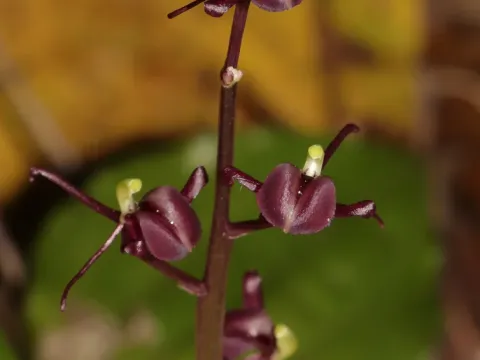
Liparis
Liparis
Liparis propagation is typically achieved through division of the rhizomes during the dormant season. Since the seeds of Liparis are minute and lack endosperm, they cannot germinate under standard field conditions without a specific mycorrhizal fungi association, making vegetative methods the primary choice for growers.
What the section contains
 Hawaiian Liparis
Liparis hawaiensis
Hawaiian Liparis
Liparis hawaiensis
 Lily-leaved twayblade
Liparis liliifolia
Lily-leaved twayblade
Liparis liliifolia
 Liparis elliptica
Liparis loeselii
Liparis loeselii
Liparis elliptica
Liparis elliptica
Liparis loeselii
Liparis loeselii
 Liparis makinoana
Liparis makinoana
Liparis makinoana
 Liparis nervosa
Liparis nervosa
Liparis nervosa
 Liparis odorata
Liparis odorata
Liparis odorata
 Liparis saundersiana
Liparis saundersiana
Liparis saundersiana
 Liparis vexillifera
Liparis vexillifera
Liparis vexillifera
Liparis
In specialized horticultural settings, seed germination is performed in sterile agar media. This process requires precise control over pH, temperature, and light cycles, mimicking the natural micro-habitats where these plants establish their symbiotic relationships.
When dividing established plants, ensure that each section retains healthy roots and active buds. Planting should be timed to avoid peak heat, with spring being the optimal window to allow the plants to establish before the onset of the summer growth phase.
The planting depth is critical; the crown of the plant must remain at or slightly above the soil line to prevent rot. Proper spacing depends on the specific species size, but generally, 15–20 cm between plants is recommended to ensure adequate air circulation.
Initial post-planting care involves maintaining consistent substrate moisture and providing filtered light. Avoid fertilizing immediately after division to allow the root system to recover from mechanical stress and initiate new growth.
Liparis, a member of the Orchidaceae family, demands a well-draining, acidic, and organic-rich substrate. A mix consisting of sphagnum moss, pine bark, and leaf litter provides the necessary aeration and moisture-retention characteristics for healthy root development.
These plants are shade-loving by nature. Exposure to direct intense sunlight causes leaf scorching and severe dehydration. An environment with high ambient humidity, often above 60 percent, is essential for maintaining plant vigor and promoting successful blooming.
The optimal temperature range for Liparis is temperate, typically between 18°C and 24°C during the day. Nighttime temperatures should ideally drop by several degrees to simulate natural environmental fluctuations, which is crucial for metabolic balance.
Watering frequency should be adjusted based on the growth cycle; plants require more water during active growth and less during dormancy. It is vital to use soft, low-mineral water to prevent the accumulation of salts in the potting medium.
Air movement is as important as light and water. Stagnant air invites fungal infections, so growers should ensure good ventilation without creating strong drafts that could rapidly dry out the foliage or substrate surface.
Fungal pathogens are the primary threat to Liparis, particularly those causing root rot and stem decay. These issues are almost exclusively associated with improper watering practices, such as waterlogging the root zone or leaving water standing in the leaf axils.
Common pests include spider mites and mealybugs, which thrive in low-humidity environments. Regularly checking the undersides of leaves and maintaining high humidity levels are effective prophylactic measures against these sucking insects.
Slugs and snails can cause significant damage to the lush foliage of Liparis, especially during damp seasons. Placing copper barriers or organic bait traps around the plants can significantly reduce the impact of these gastropods.
Aphids often target emerging flower spikes, sapping the energy needed for successful anthesis. Targeted treatment with horticultural soaps or gentle organic insecticides is recommended upon the first sign of infestation.
Finally, systemic virus infections remain a significant challenge for orchid growers. As these diseases are often spread via contaminated tools, rigorous sanitation protocols are essential to protect the health of the entire collection.