
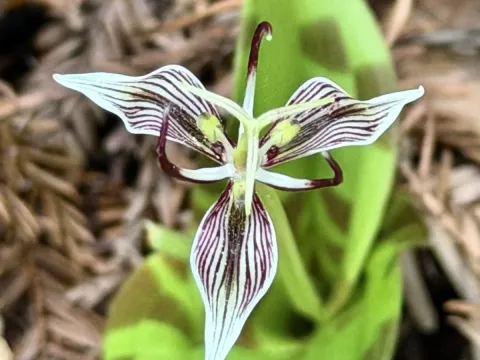
Scoliopus
Scoliopus
Scoliopus is a genus of perennial herbs belonging to the Liliaceae family. Native to the coastal forests of western North America, these plants are known for their distinct, often mottled foliage and early, low-growing flowers.
What the section contains


Scoliopus
In cultivation, Scoliopus thrives in shady woodland environments that mimic its native habitat. It requires a cool, moist microclimate with consistently damp soil and protection from direct sunlight, which can easily desiccate the plants.
The ideal growing medium is a rich, well-draining soil with a high content of leaf mold or organic matter. Mulching is essential to retain soil moisture and stabilize root temperatures throughout the growing season.
This crop prefers neutral to slightly acidic soil conditions and must be protected from waterlogging. Planting in raised beds or on gentle slopes can improve drainage and reduce the risk of root rot during wet periods.
Scoliopus is primarily valued in botanical collections and specialized shade gardens. Its unique structural appearance and seasonal emergence make it a prized specimen for enthusiasts of woodland flora.
Root rot is the most significant threat to Scoliopus, usually caused by poorly drained soil or excessive irrigation. The plant is extremely sensitive to stagnant water around the rhizome, which can be fatal.
Gastropods, particularly slugs and snails, pose a major threat to the tender foliage and developing buds in early spring. Regular monitoring and physical barriers are often necessary to protect the plant from being decimated.
Fungal diseases can arise when the foliage remains wet for extended periods in conditions of poor air circulation. It is critical to maintain clean growing areas and avoid overhead watering to prevent pathogen buildup.
Environmental stress, such as unseasonably warm spells followed by sharp freezes, can damage the delicate emerging shoots. While the plant is hardy, physical damage to the floral structure can prevent seed development.
Poor soil aeration can suppress growth and increase the susceptibility to opportunistic bacterial infections. Maintaining a light, porous soil structure is the best preventative measure against these horticultural threats.