
Scoliopus hallii
Scoliopus hallii
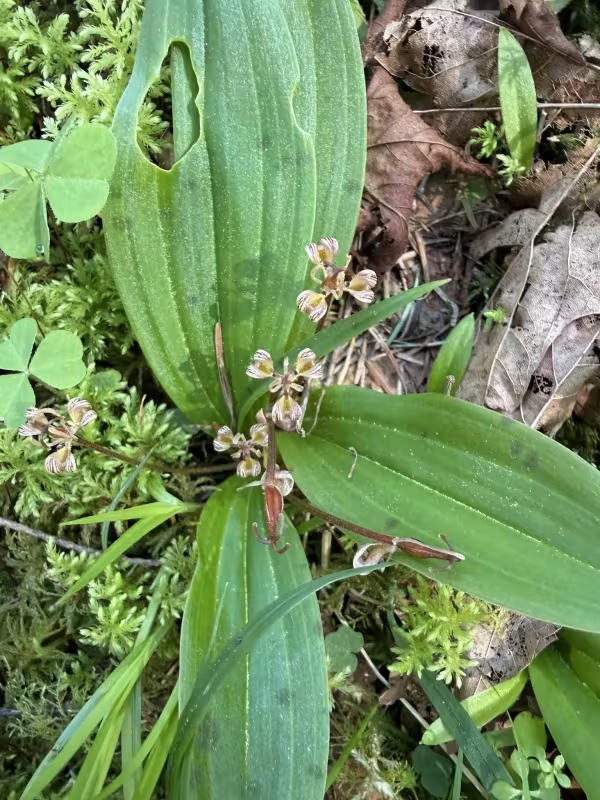
Description
Growing requirements
Scoliopus hallii, commonly known as Slink pod, is a distinct perennial herb belonging to the Liliaceae family. It is native to the forested regions of the Pacific Northwest, particularly in Oregon.
This plant thrives in shady, moist woodland environments. In a horticultural setting, it requires deep shade and should not be exposed to direct sunlight, which can easily scorch its delicate foliage.
The ideal soil for this species is nutrient-rich, humus-heavy, and well-draining. It resembles the natural floor of an old-growth forest, maintaining a balance between moisture retention and aeration.
Regarding climate, Scoliopus hallii prefers cool and temperate conditions. It is not adapted to dry or hot weather, making consistent watering essential during the dry spells of the growing season.
Successful cultivation involves maintaining a stable environment. Mulching with organic matter is highly recommended to keep the roots cool and provide the necessary nutrients for long-term survival.
Main diseases and pests
Slugs and snails are the most significant pests for Scoliopus hallii. They are attracted to the succulent-like foliage and can cause severe damage to the plant if left unchecked during the spring.
Root rot is the primary disease threat caused by poor drainage. If water accumulates around the rhizome, the plant will quickly succumb to fungal pathogens that destroy the root system.
Aphids may occasionally target the developing flower stalks or leaves. Although rarely fatal, heavy infestations can weaken the plant and reduce its aesthetic appeal during the bloom season.
Poor air circulation in dense plantings can encourage fungal leaf spots. It is important to space plants appropriately to allow for sufficient airflow around the base of the foliage.
Environmental stress, such as extreme heat or prolonged drought, makes the plant susceptible to secondary infections. Maintaining optimal moisture levels is the best defense against these physiological threats.