
Scoliopus bigelovii
Scoliopus bigelovii
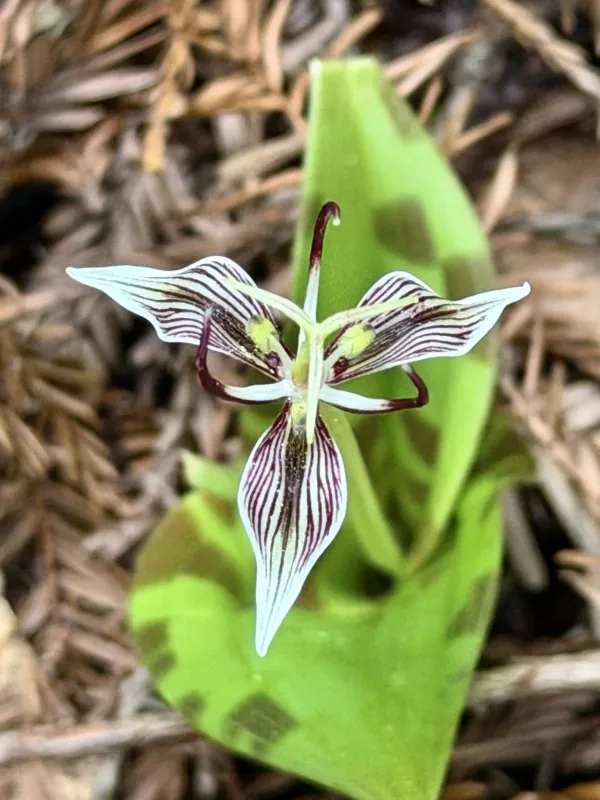
Description
Sowing dates
Propagation of Scoliopus bigelovii is primarily achieved through seed sowing in autumn or rootstock division during dormancy.
Seeds require a prolonged cold-moist stratification period to successfully break dormancy and stimulate germination in the spring.
For vegetative propagation, carefully divide mature clumps during the early spring or late autumn when the plant is not actively growing.
Ensure that each division contains a healthy portion of the root system to facilitate faster establishment in the new location.
Sown seeds should be covered with a light layer of soil and kept in a cool, sheltered area to mimic natural forest floor conditions.
Growing requirements
Scoliopus bigelovii is a fascinating perennial herb belonging to the Liliaceae family, native to the redwood forests of California.
This species thrives in deep shade and requires a cool, moist, and well-drained soil environment rich in organic leaf mold.
It is perfectly suited for woodland gardens where it can be protected from excessive heat and direct sunlight throughout the year.
The plant demonstrates a unique growth habit with mottled leaves and small, distinctive flowers that emerge close to the ground.
Consistent soil moisture is essential; however, the medium must remain airy to prevent root hypoxia, which is a common stress factor for this plant.
Main diseases and pests
The primary threats to this plant in garden settings are slugs and snails, which feed on the foliage during the damp growing season.
Poor soil drainage and stagnant water can lead to fungal infections and root rot, often resulting in the death of the specimen.
Maintaining a clean growing space and removing excess decaying debris can help minimize the population of unwanted garden pests.
It is crucial to monitor for signs of chlorosis or leaf wilt, which may indicate issues with soil composition or water imbalance.
Preventative measures against pests and diseases are highly recommended to ensure the long-term health and vigor of this shade-loving perennial.