
Tapeinia pumila
Tapeinia pumila
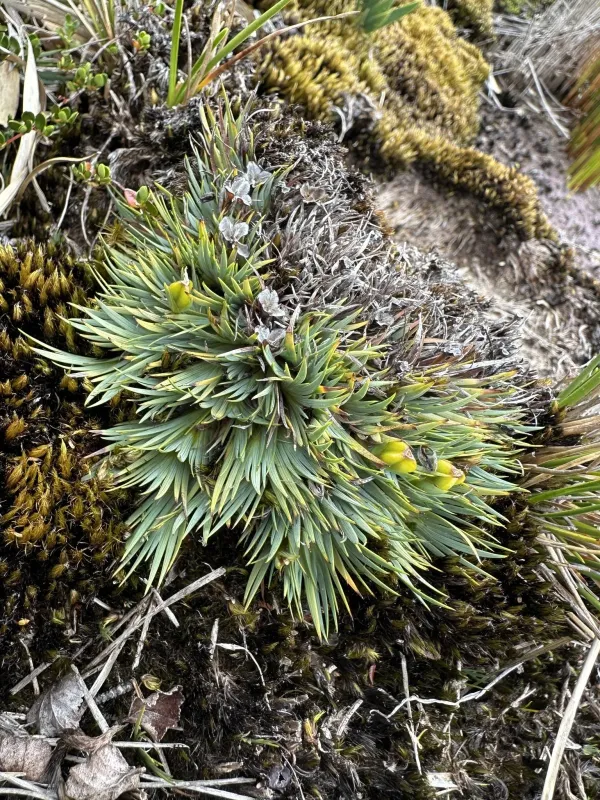
Description
Growing requirements
Tapeinia pumila is a low-growing perennial herb belonging to the Iridaceae family. It is recognized for its compact morphology and resilience to harsh environmental conditions typical of high-latitude regions.
The species originates from Southern South America, primarily within Patagonia and Tierra del Fuego. It naturally inhabits exposed rocky outcrops and open tundra-like environments where competition from other vegetation is minimal.
Botanically, it features narrow, iris-like foliage arranged in dense basal rosettes. As a rhizomatous plant, it exhibits a slow growth rate, allocating significant energy into building a hardy root system capable of enduring frost and nutrient-poor soils.
Cultivation requirements are strict: the soil must be exceptionally well-draining, mimicking the mineral-rich scree slopes of its natural habitat. The plant thrives in acidic to neutral substrates and requires a cool, ventilated environment to prevent heat stress.
In terms of light exposure, Tapeinia pumila performs best in full sun or light shade, provided the surrounding air remains cool and fresh. Indoor or greenhouse cultivation is challenging due to the specific need for extreme aeration at the root zone.
Main diseases and pests
The primary threats to Tapeinia pumila are fungal pathogens, specifically those causing root and crown rot, which proliferate rapidly when moisture levels exceed the plant's capacity to transpire.
Pest pressure is relatively low in its natural range; however, in artificial environments, the plant may become susceptible to aphids or spider mites, which can sap vitality from the succulent leaves.
To maintain plant health, it is essential to avoid dense mulch, as this creates a microclimate conducive to fungal growth and stem decay during the damp autumn or spring months.
Damage to the delicate root system during weeding or transplanting serves as an entry point for soil-borne pathogens, leading to sudden decline and loss of the specimen.
Integrated pest management strategies should focus on preventive measures, such as ensuring sufficient spacing between plants to promote optimal airflow and using sterilized mineral-based potting media.