
Ferraria uncinata
Ferraria uncinata
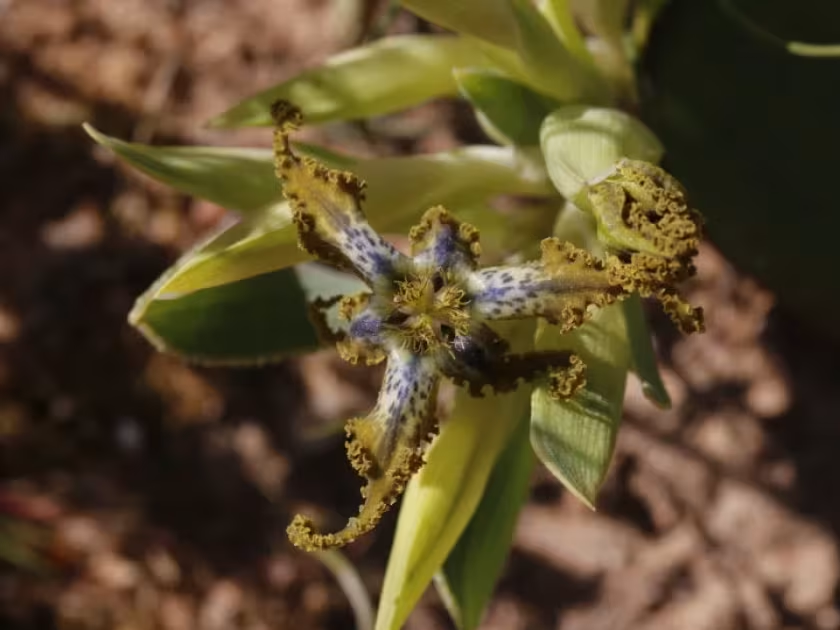
Description
Sowing dates
Planting of Ferraria uncinata corms typically occurs in the spring once the risk of frost has passed and the soil has reached a stable temperature for root development.
The corms should be buried at a depth of 5 to 8 centimeters in well-aerated soil to ensure proper stabilization and protection from extreme surface temperatures.
Spacing is a critical factor for healthy growth; maintaining a gap of 15 to 20 centimeters between plants prevents overcrowding and competition for resources.
For greenhouse cultivation, consistent monitoring of moisture levels is essential immediately after sowing to stimulate initial sprouting and leaf production.
As the growing season concludes and foliage turns yellow, it is standard practice to lift the corms from the ground for a period of dormancy in a cool, dry environment.
Growing requirements
Ferraria uncinata is a member of the Iridaceae family, originating from regions with specific arid and semi-arid conditions that define its physiological needs.
The crop thrives in sandy, well-draining soil types, as the plant is highly sensitive to root rot caused by prolonged water saturation in the substrate.
High levels of solar exposure are mandatory for this species; plants grown in shaded areas often exhibit weak stems and poor flowering performance.
While the plant is relatively drought-tolerant, supplemental irrigation during the active growth phase improves the quantity and quality of the flowers significantly.
Environmental conditions such as a moderate climate with distinct wet and dry seasons mimic the natural habitat, promoting healthier corm development and regeneration.
Main diseases and pests
The primary threats to this culture are pathogenic fungi such as Fusarium, which proliferate under conditions of high soil moisture and poor air circulation.
Pest pressures are primarily linked to sap-sucking insects like spider mites and thrips, which can stunt plant growth and reduce ornamental value.
Successful management relies on preventive measures, including the application of systemic fungicides to the corms before storage to eliminate latent infections.
Integrated pest management strategies should include regular inspections of foliage and the implementation of organic or chemical controls upon the detection of infestations.
Cultural practices such as removing plant debris and ensuring proper spacing remain the most effective ways to minimize the incidence of common agricultural diseases.