
Ferraria crispa
Ferraria crispa
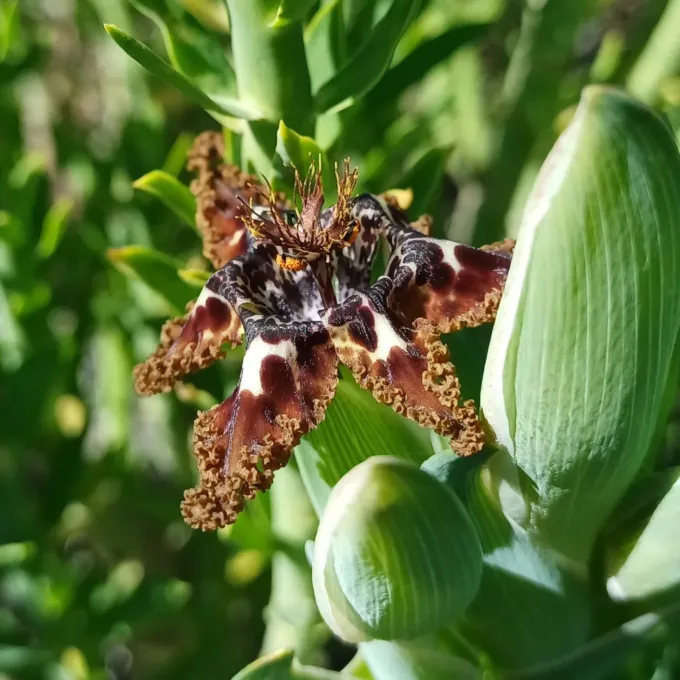
Description
Growing requirements
Ferraria crispa is a perennial bulbous plant belonging to the Iridaceae family. Originating from the Western Cape region of South Africa, it has evolved to thrive in sandy, well-draining soils within a Mediterranean climate.
This species requires high light intensity and prefers a sandy loam substrate with excellent drainage. Proper aeration of the soil is critical, as the bulbs are highly susceptible to rot if kept in saturated or stagnant moisture conditions.
In terms of climate, Ferraria crispa is not frost-hardy. It is commonly cultivated as a container plant or grown in greenhouse conditions where temperatures can be strictly controlled between 18 and 25 degrees Celsius during the growth phase.
The agronomic cycle requires a strict dry dormant season. Once the foliage begins to yellow after blooming, watering must be completely withheld to allow the bulb to store energy and initiate the resting phase.
The plant is primarily used in ornamental horticulture. Its unique ruffled petals and intricate patterns make it a prized specimen for collectors and specialized greenhouse operations focused on rare geophytes.
Main diseases and pests
The most significant pathological threats to Ferraria crispa are fungal infections, particularly those affecting the basal plate of the corm, often triggered by overwatering or poor ventilation.
Insects like thrips and spider mites are the most common pests. These organisms target the delicate foliage and can rapidly weaken the plant if left untreated in indoor environments.
Cultural control measures, such as maintaining optimal airflow and preventing leaf wetness during evening hours, are essential for disease prevention.
Prophylactic treatments involving systemic fungicides applied to bulbs before the planting season help reduce the risk of soil-borne pathogens establishing themselves.
Regular monitoring for pest populations is recommended, with quick intervention using insecticidal soaps or specific miticides to avoid extensive damage to the plant's aesthetic value.