
Ferraria
Ferraria hybrids
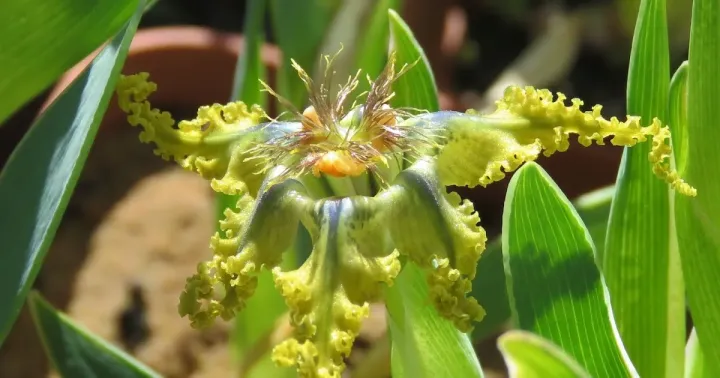
Description
Sowing dates
Planting Ferraria bulbs in open soil should occur in spring, once the threat of frost has completely passed and the soil temperature has reached a stable level.
Typically, the ideal time for planting is between April and May, depending on the local climatic zone and the duration of the warming season.
For container-grown plants, earlier sowing is possible if adequate lighting and temperature control are maintained to stimulate initial root growth.
Bulbs should be planted at a depth of 5–8 centimeters, ensuring a granular drainage layer is placed at the bottom of the planting hole to prevent waterlogging.
Space the bulbs at least 15–20 centimeters apart to ensure optimal airflow and light penetration, which is vital for the health of the foliage and flowers.
Growing requirements
Ferraria is a genus in the Iridaceae family known for its highly intricate, exotic flowers that are prized in ornamental horticulture for their unique appearance.
The plant requires full sun exposure and a location sheltered from strong gusts of wind, which can easily damage the delicate, branched flower stems.
Well-draining, loose soil with a neutral to slightly acidic pH is essential; heavy, clay-based soils should be amended with organic matter and grit.
Regular, consistent moisture is necessary during the growing phase, but the soil must never remain saturated, as this will lead to rapid bulb rot.
In regions with cold winters, the plants must be treated as tender perennials, meaning bulbs must be lifted and stored indoors throughout the winter season.
Main diseases and pests
The primary threats to Ferraria health are fungal infections, which are frequently triggered by poor drainage or excessive humidity around the root zone.
Common issues include grey mold and various fungal rots, which can compromise the bulb structure if environmental conditions are not properly managed.
Pests such as thrips and spider mites can occasionally affect the foliage, especially during hot and dry spells in the middle of the growing season.
Regular inspection of the plant is recommended, using appropriate insecticidal treatments only when signs of infestation are clearly identified.
Effective prevention of threats relies on rigorous drainage management, proper sanitation of the bulbs during storage, and avoiding overhead watering.
Harvesting
Bulb harvesting is performed in late autumn, following the natural senescence and yellowing of the foliage, which indicates the onset of dormancy.
Once lifted from the soil, bulbs should be gently cleaned of loose debris and cured in a shaded, well-ventilated location for several days.
Storing bulbs requires cool, dry conditions, preferably between 10–12 degrees Celsius, to ensure they remain dormant until the spring planting cycle.
Periodic checks throughout the winter are essential; any bulbs showing signs of decay or softness must be discarded immediately to protect the healthy stock.
Proper harvest and storage techniques are crucial for maintaining the vigor of the plant and ensuring a successful blooming cycle in the following year.