
Eleutherine bulbosa
Eleutherine bulbosa
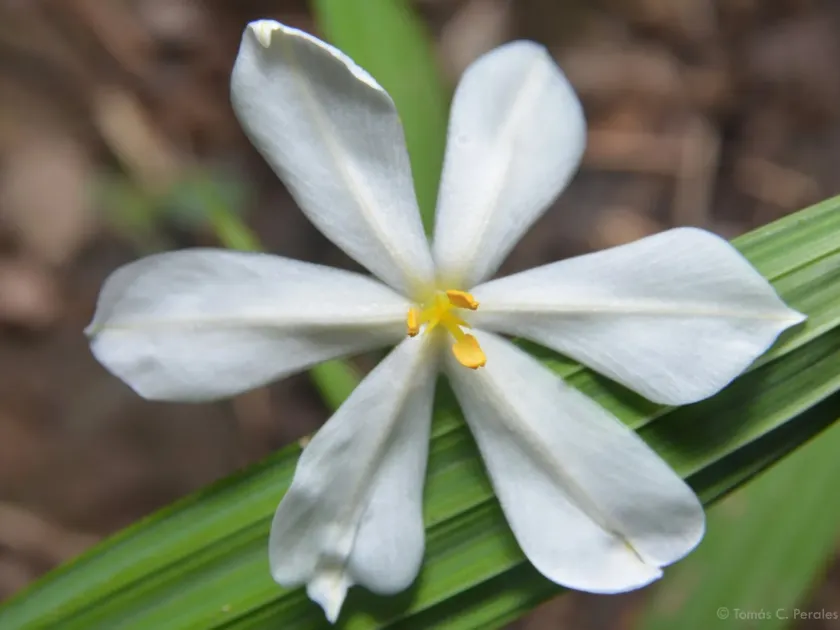
Description
Sowing dates
Eleutherine bulbosa is a tropical perennial plant that requires specific environmental conditions, with planting typically starting at the onset of the rainy season to ensure moisture for root establishment.
In regions with distinct seasonal changes, bulbs should be planted only after the threat of frost has passed, as this species is extremely sensitive to low-temperature exposure.
Vegetative propagation using daughter bulbs is the standard commercial method, as it ensures uniform growth and allows for a quicker maturation compared to seed-based propagation.
It is recommended to plant the bulbs at a depth of 5–8 cm in well-prepared soil, spacing them approximately 25–30 cm apart to allow for proper expansion of the root system.
Good soil preparation, including the incorporation of organic matter before planting, is essential for achieving a high survival rate of the newly planted bulbous material.
Growing requirements
Belonging to the Iridaceae family, this plant thrives in well-drained, fertile soil rich in organic material with a slightly acidic pH level, which promotes optimal nutrient uptake.
Eleutherine bulbosa prefers bright, indirect light; while it can tolerate tropical heat, it is susceptible to damage from intense, direct midday sun if the soil moisture is insufficient.
Temperature management is critical, with an ideal range of 22 to 30 degrees Celsius; maintaining this range is vital for continuous growth and development of the bulbs.
Watering must be balanced, as waterlogged conditions easily trigger root rot, which is the most common cause of crop failure in poorly drained agricultural environments.
Regular fertilization with balanced NPK fertilizers during the peak growth season significantly increases the biomass and improves the quality of the harvested produce.
Yield
The economic value of this crop is primarily derived from the bulbous roots, which are rich in naphthoquinones known for their antimicrobial and antioxidant properties.
Average yield rates are dependent on management intensity, with commercial plantations typically producing between 5 to 10 tons of high-quality bulbs per hectare.
Techniques such as mulching are highly effective in increasing yields by maintaining soil temperature and structure, which creates a more favorable environment for bulb development.
Consistent irrigation and pest control protocols are necessary to ensure that the plants reach their maximum potential weight before the harvesting phase begins.
Post-harvest processing involves cleaning, peeling, and controlled drying, which ensures that the final product meets the pharmaceutical industry's strict quality standards.
Main diseases and pests
The main threats to Eleutherine bulbosa are fungal pathogens, specifically those causing basal rot, which can spread rapidly in humid, poorly ventilated field conditions.
Soil-borne pests like nematodes often cause significant damage to the bulbs, which can lead to secondary infections and systemic plant stress if left unmanaged.
Preventive measures include crop rotation and the use of healthy, disease-free planting material, which reduces the reliance on heavy chemical pesticide application.
Regular field inspection is crucial to identify early signs of fungal growth, allowing for localized treatments that protect the rest of the plantation from infection.
Ensuring proper airflow between plants through correct spacing and thinning can significantly reduce the risk of humidity-related disease outbreaks in dense plantings.
Harvesting
Harvesting usually takes place 8 to 10 months after planting, once the foliage has completely yellowed and dried, indicating that the plant has entered dormancy.
The bulbs should be excavated carefully during dry weather to minimize physical damage and bruising, which could lead to spoilage during the subsequent storage stages.
Immediately after harvest, roots and aerial parts are trimmed away, and the bulbs are washed to remove any soil residue before being moved to the drying facility.
Drying is performed in shaded, well-ventilated areas where temperatures are kept constant to prevent the degradation of heat-sensitive bioactive compounds within the tissues.
Final storage requires cool, dry conditions with adequate ventilation to prevent fungal contamination, ensuring the longevity of the product before it reaches the end market.