
Globe thistle
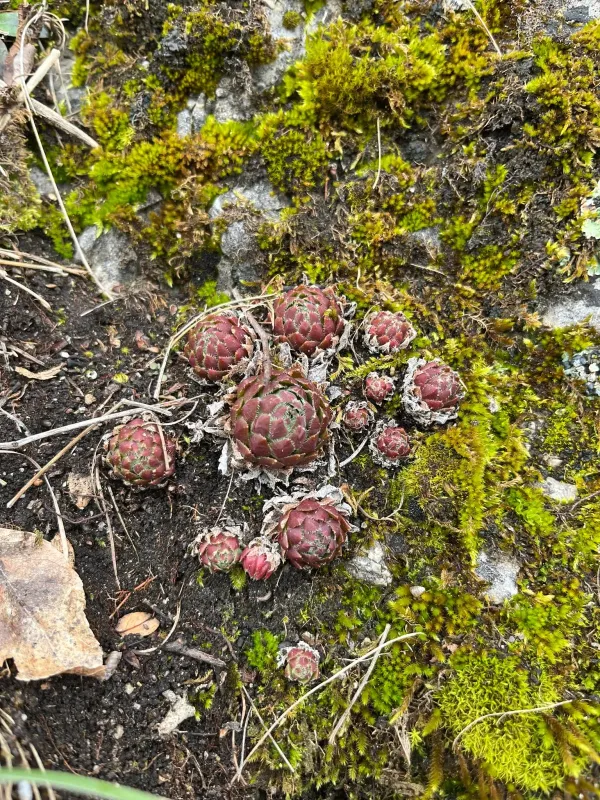
Sempervivum globiferum
Description
Growing requirements
Sempervivum globiferum, commonly known as the globe thistle or hen and chicks, is a perennial succulent belonging to the Crassulaceae family. It forms dense rosettes that store water, allowing it to thrive in arid environments.
The plant originates from the mountainous regions of Europe. It is naturally adapted to rocky crevices and nutrient-poor soils, making it an excellent choice for low-maintenance landscaping and rock gardens.
To cultivate this plant successfully, one must provide a well-draining soil mix, typically consisting of sand, grit, and gravel. It is essential to avoid moisture-retentive soils that could lead to root rot during the dormant season.
The plant requires full sun exposure to maintain its compact, spherical growth form. In insufficient light, the rosettes tend to stretch and lose their characteristic density, making them more susceptible to physical damage.
Beyond its ornamental use, Sempervivum globiferum is recognized for its hardiness. It can withstand severe winter temperatures and is an essential component for green roofs and sustainable xeriscaping projects.
Main diseases and pests
The primary threat to the health of these succulents is waterlogging of the root system. High humidity combined with poor air circulation can rapidly lead to the decay of the succulent tissues.
Mealybugs are the most common pests found on the plant. They tend to hide in the tight spaces between the succulent leaves, making them difficult to detect and control without focused treatment.
Fungal diseases like leaf spot and root rot occur frequently if the plants are crowded. Proper spacing allows for adequate airflow, which is critical to keeping the foliage dry after rainfall or irrigation.
Aphids can occasionally infest the flower stalks during the blooming period. While they rarely cause death to the plant, their presence can weaken the overall vitality of the blooming rosette.
Implementing a strict maintenance schedule that involves removing dead rosettes is essential for overall garden health. Maintaining a dry, well-ventilated environment remains the best strategy for disease prevention.